Medically reviewed by: Dr. Divya J G, MBBS, MS (OBG), DNB, FMAS, FRM, Consultant Obstetrician and Gynaecologist Last reviewed: 21 October 2026
Most of the important early development of a baby happens in the first weeks of pregnancy, often before a woman knows she is pregnant. That is why doctors recommend preparing for pregnancy in advance. Preconception care means taking steps before you conceive, such as checking your health, updating vaccines, starting folic acid and adjusting habits, so that you and your baby begin pregnancy as healthy as possible. It is useful for both partners, and ideally begins about 3 months before you start trying.
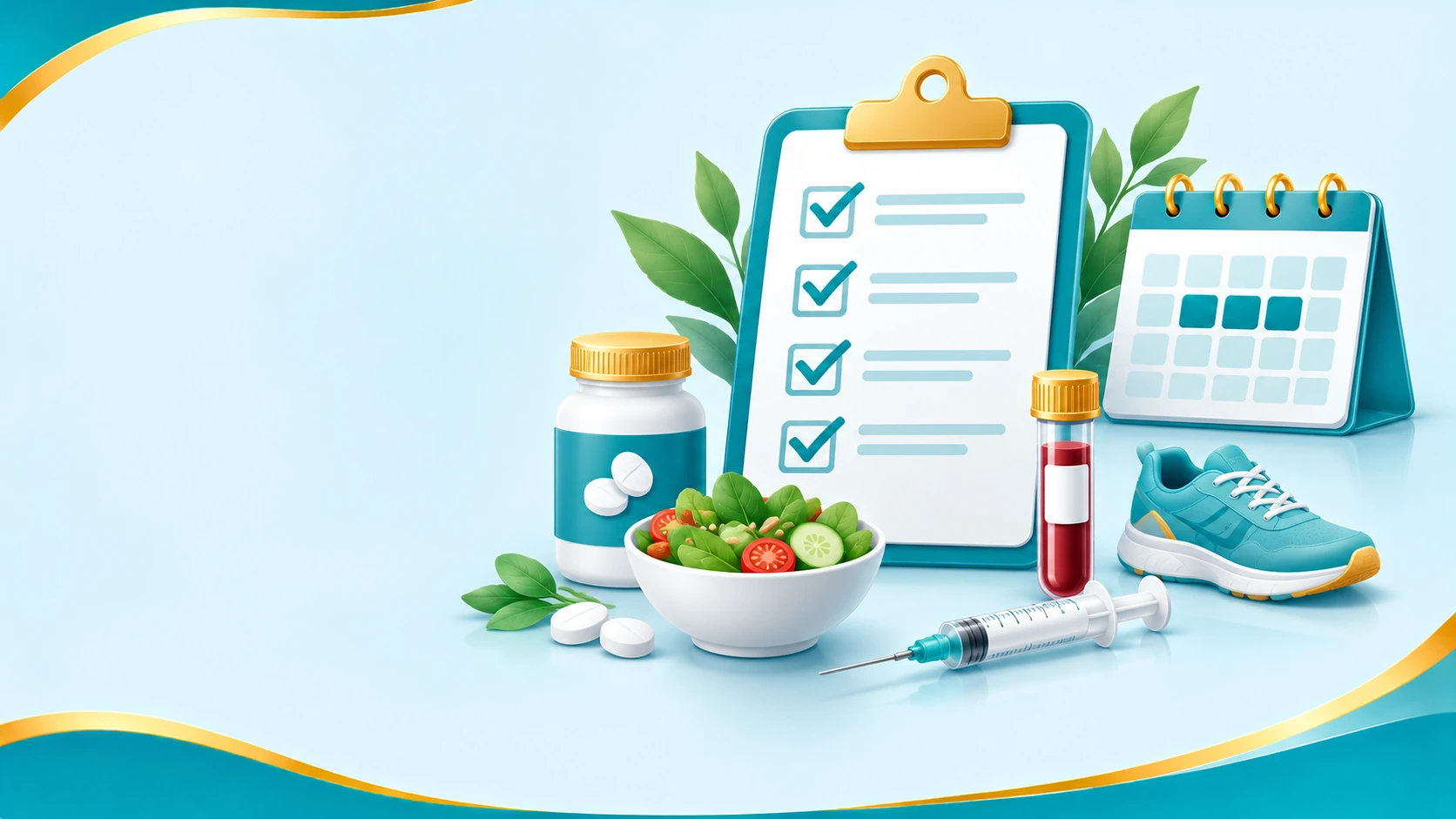
Key points: Start preparing about 3 months before trying. Take folic acid 400 micrograms daily from at least 1 month before conception, and a higher dose only if your doctor prescribes it. Get a checkup, check blood sugar, thyroid, hemoglobin, blood group and key infections, and update vaccines such as rubella. Review all medicines with your doctor. Both partners should avoid tobacco and alcohol.
It is a planned medical and lifestyle review before pregnancy. It looks at your general health, long-term conditions, medicines, vaccines, diet, weight, family history and habits, and addresses anything that could affect conception or pregnancy.
Ideally at least 3 months before you plan to conceive. Some steps, such as controlling diabetes, losing weight or stopping certain medicines, take time. If your pregnancy was not planned, it is still worth starting these steps right away.
| Time |
What to do |
| 3 months before |
Book a preconception checkup. Review medicines and long-term conditions. Start improving diet, activity and sleep. Stop smoking and alcohol |
| 2 months before |
Complete recommended tests and vaccines. Treat infections, anemia or dental issues. Begin folic acid if you have not |
| 1 month before |
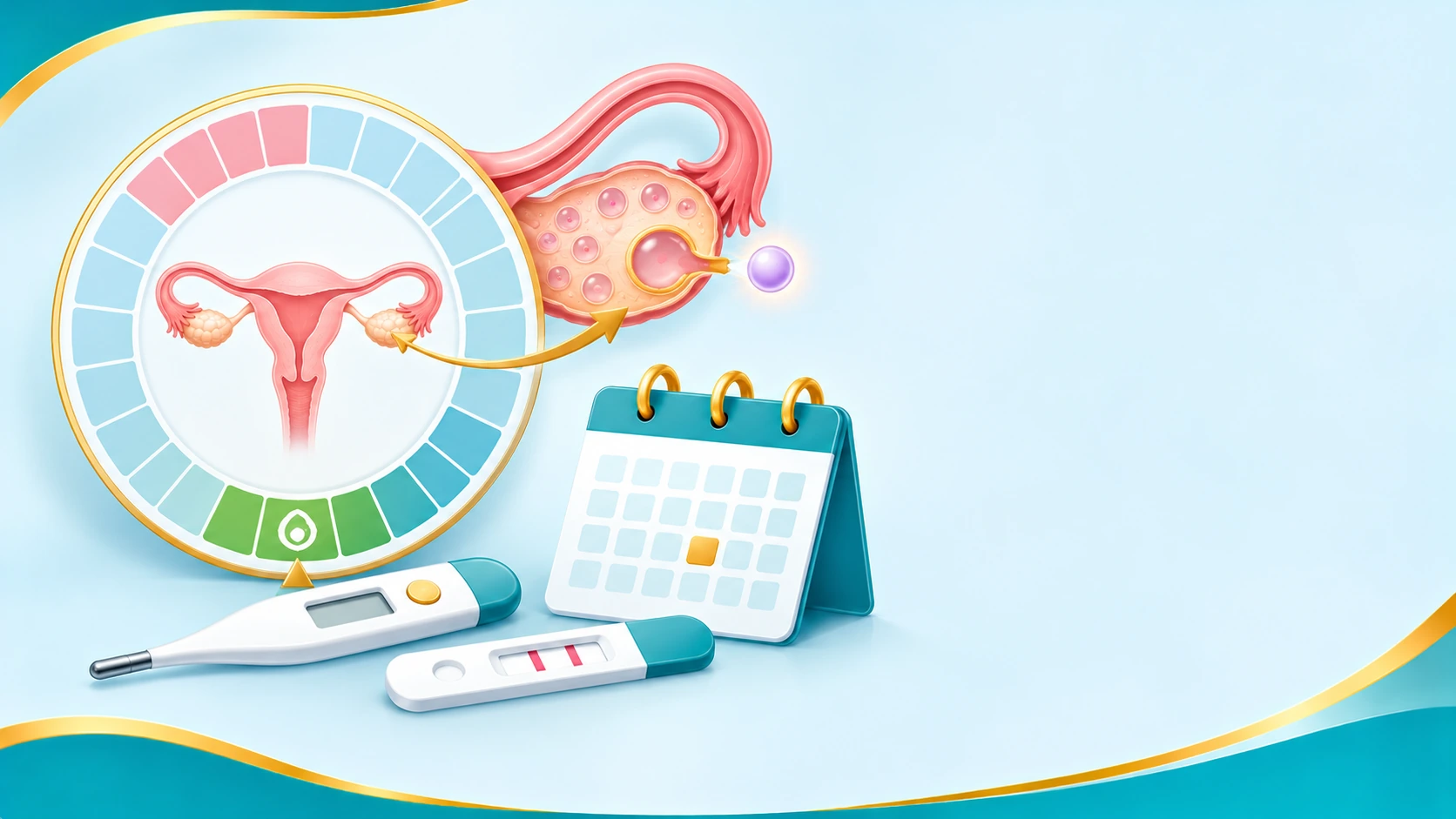
Continue folic acid. Track your cycle and fertile window. Final review of medicines |
| Trying to conceive |
Have intercourse every 1 to 2 days in the fertile window. See a doctor if no pregnancy after 12 months (6 months if 35 or older) |
The doctor will usually:
- Take a detailed medical, menstrual, surgical and family history
- Record height, weight and body mass index (BMI), and blood pressure
- Examine you, including a breast and pelvic exam if needed
- Ask about previous pregnancies, miscarriages and any complications
- Review all medicines, supplements and herbal products
- Discuss genetic counseling if there is a family history of inherited conditions
- Offer a cervical screening test (Pap smear) if it is due
Your doctor will choose the tests that suit your health and history. Commonly advised tests include:
| Test |
Why |
| Hemoglobin and complete blood count |
To detect anemia, which is common in Indian women and affects pregnancy |
| Blood group and Rh type |
To plan care if the mother is Rh negative |
| Blood sugar or HbA1c |
To detect diabetes or prediabetes, which affects pregnancy and the baby |
| Thyroid (TSH) |
Thyroid imbalance affects ovulation and pregnancy |
| Rubella and chickenpox immunity |
To identify those who need vaccination before pregnancy |
| HIV, hepatitis B and syphilis screening |
To protect mother and baby |
| Urine routine |
To check for infection or protein |
| Thalassemia and sickle cell carrier screening |
Important in India, especially if there is a family history |
| Vitamin D and B12 |
Advised where deficiency is suspected |
For the male partner, a semen analysis is advised if there is any concern or after prolonged attempts. Not every person needs every test.
Folic acid, a B vitamin, lowers the chance of neural tube defects in the baby, such as spina bifida.
- Standard dose: 400 micrograms (0.4 mg) daily, started at least 1 month before conception and continued for the first 12 weeks of pregnancy.
- Higher dose: a doctor may prescribe a higher dose (for example 4 to 5 mg) if you have had a baby with a neural tube defect, have epilepsy and take some seizure medicines, have diabetes, are significantly overweight or have a family history. Do not take a higher dose without a prescription.
Eating folate-rich foods, such as green leafy vegetables, dals, sprouts and citrus fruits, helps, but a supplement is advised as well.
Check your vaccination record with your doctor. Depending on your records, advice may include:
- MMR (measles, mumps, rubella) or rubella vaccine: if you are not immune. Avoid pregnancy for 1 month after
- Varicella (chickenpox): if you have not had the disease or vaccine. Avoid pregnancy for 1 month after
- Hepatitis B: if not vaccinated
- Influenza and COVID-19: as per current advice
- HPV vaccine: for eligible women who have not been vaccinated, ideally before pregnancy
- Tdap and flu vaccines are given during pregnancy, as your doctor advises
- Aim for a healthy weight. For Indians, a BMI of 18.5 to 22.9 is considered the healthy range, and 23 and above suggests overweight
- Eat a balanced diet with whole grains, dals, vegetables, fruit, milk products and protein foods, and use iodized salt
- Include iron-rich foods such as green leafy vegetables, dates, jaggery, legumes and meat or fish if you eat them
- Limit caffeine to about 200 mg a day (about two small cups of coffee)
- Avoid fad diets and unproven fertility supplements
- Aim for about 150 minutes of moderate exercise a week
Tell your doctor about every medicine, since some, such as certain epilepsy, acne, blood pressure, blood thinning and cancer medicines, can harm a developing baby. Do not stop a medicine on your own. Diabetes, thyroid disease, high blood pressure, asthma, PCOS and epilepsy should be well controlled before pregnancy. Your doctor will adjust treatment.
- Smoking and tobacco in any form, including chewing tobacco and second-hand smoke
- Alcohol
- Recreational drugs
- Exposure to harmful chemicals or radiation at work, if applicable
- Excessive heat exposure for the male partner, such as laptops on the lap or long hot baths
Both partners contribute to a pregnancy. Men are advised to:
- Stop smoking and limit alcohol
- Avoid steroids and testosterone or muscle supplements without medical advice. See our guide on gym supplements and male fertility
- Maintain a healthy weight, exercise and sleep well
- Get a semen analysis if there are concerns or if conception is taking time
- Treat infections and review long-term medicines
Planning pregnancy can bring excitement and anxiety. Talk with your partner about expectations and finances, and seek support if you feel overwhelmed. If you have had a loss before, a doctor can plan extra support.
You may want to see a fertility specialist earlier if cycles are irregular, you have known PCOS, endometriosis or thyroid disease, you are 35 or older, or you have had pelvic infection or surgery. Otherwise, see a doctor after 12 months of trying, or after 6 months if you are 35 or older. Read our guide to ovulation symptoms and tracking.
The Obstetrics and Gynecology and Fertility teams at Genesiss Hospital, BTM Layout, offer a pre-pregnancy consultation to review your health, advise on tests and vaccines, and plan the months ahead. We are at 17, 100 Feet Ring Road, near Jayadeva Metro, BHBCS Layout, BTM 2nd Stage, Bengaluru 560076, and couples visit from Jayanagar, JP Nagar, Koramangala and HSR Layout. See the Obstetrics and Gynecology department or call +91 98867 77592.
When should I start preconception care?
At least 3 months before you try to conceive. If you are already trying or pregnant, start now.
How much folic acid should I take before pregnancy?
A standard dose is 400 micrograms (0.4 mg) daily, from at least 1 month before conception through the first 12 weeks. A higher prescribed dose is advised in some situations, such as a previous neural tube defect or certain medicines. Take a higher dose only if your doctor prescribes it.
What tests should I do before getting pregnant?
Commonly advised tests include hemoglobin, blood group, blood sugar, thyroid, rubella and chickenpox immunity, screening for HIV, hepatitis B and syphilis, urine routine and carrier screening for thalassemia. Your doctor will select what suits you.
Which vaccines should I take before pregnancy?
Rubella (MMR), chickenpox and hepatitis B if you are not immune or vaccinated, plus others per current advice. Avoid pregnancy for 1 month after MMR or chickenpox vaccine.
Does the husband need a checkup too?
Yes. A health review, avoiding tobacco and alcohol, and a semen analysis if there are concerns help. Both partners affect fertility and the baby's health.
Can I take pregnancy supplements instead of changing my diet?
Supplements such as folic acid are useful, but they do not replace a balanced diet and healthy habits. Do not use unproven fertility supplements without advice.
What weight is healthy before pregnancy?
A healthy BMI range for Indians is 18.5 to 22.9. Being much above or below this can affect ovulation and pregnancy. Your doctor can advise on gradual change.
17, 100 Feet Ring Road, near Jayadeva Metro, BHBCS Layout, BTM 2nd Stage, BTM Layout, Bengaluru, Karnataka 560076.
Phone: +91 98867 77592 | Email: contact@genesisshospital.com
Emergency and trauma care are available round the clock.
Book an appointment | Contact us | Our doctors
This article is for general health information. It is not a substitute for examination, diagnosis or treatment by a qualified doctor. If you think you may have an emergency, go to the nearest emergency department or call the hospital.