Medically reviewed by: Dr. Divya J G, MBBS, MS (OBG), DNB, FMAS, FRM, Consultant Obstetrician and Gynaecologist Last reviewed: 20 October 2026
If you have been told you have PCOD or PCOS, one of the first questions is, “What should I eat?” You will find hundreds of diet charts online, many promising to “reverse PCOD” or “balance hormones in 30 days”. Food cannot replace medical treatment, and no diet works like a switch. But good eating habits can make a real difference to periods, energy, weight and blood sugar. This guide explains what current evidence supports, what to eat and limit and how a day of Indian meals can look.
Key points: There is no single “PCOD diet”. The most helpful pattern is a balanced, high-fiber, lower-glycemic diet with enough protein and healthy fats, along with regular exercise and sleep. Losing even 5 to 10 percent of body weight, if you are overweight, can improve periods and metabolic health. Avoid crash diets and “detox” plans. Always follow your doctor’s advice, because PCOD needs a proper diagnosis and treatment.
In India, “PCOD” is the term many people use, while doctors usually use polycystic ovary syndrome (PCOS). A new name, PMOS, is also being discussed. We explain this in our article on PCOS being called PMOS. The diet advice here applies whichever term is used. For diagnosis and treatment, see our page on PCOS treatment.
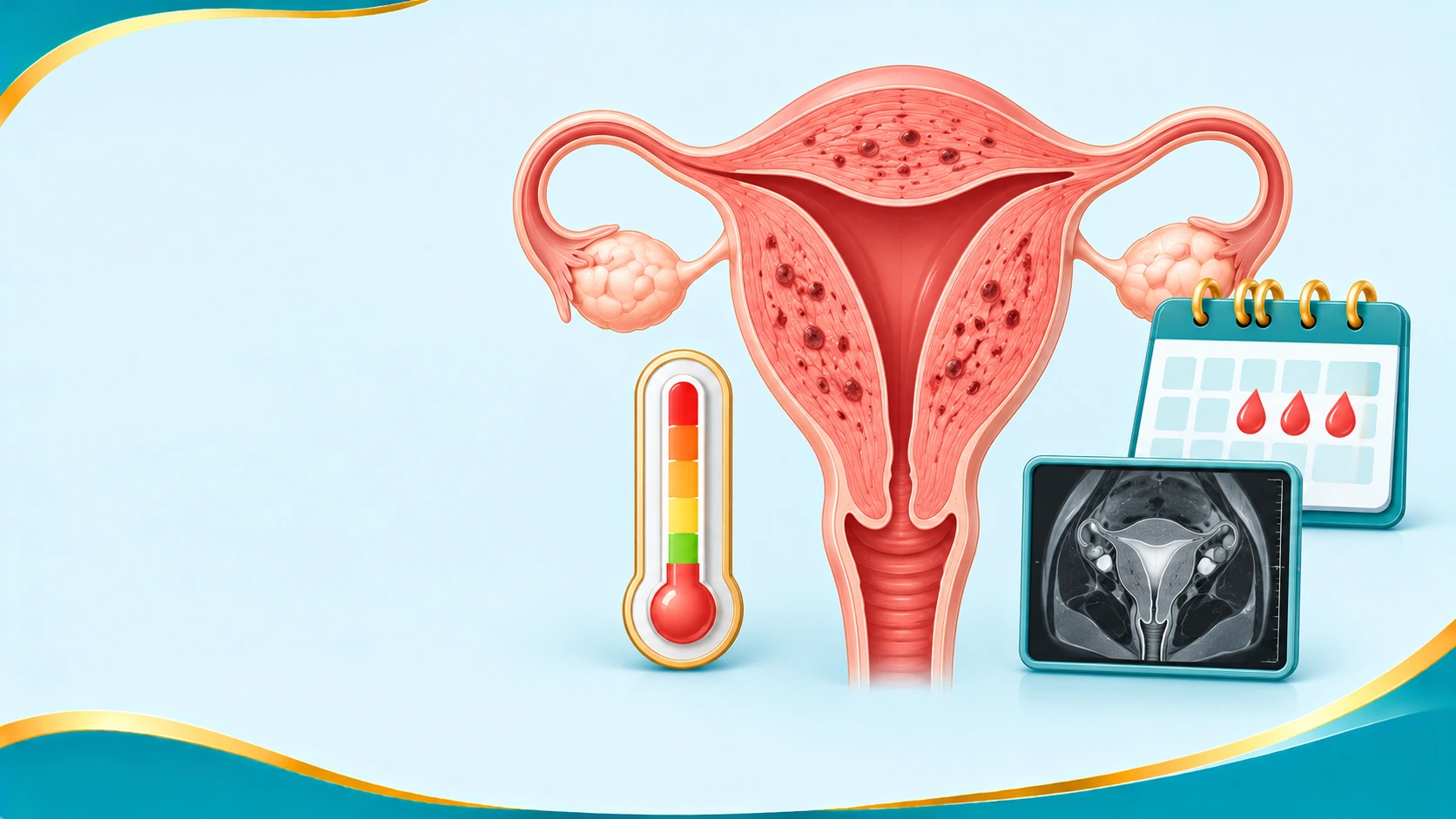
Many women with PCOD have some degree of insulin resistance, which means the body needs more insulin to keep blood sugar normal. High insulin can push the ovaries to make more male hormones, which affects ovulation, skin and hair. Foods that raise blood sugar quickly can make this cycle worse, and steadier eating helps. Diet also helps with weight, cholesterol and long-term risks such as diabetes.
- Choose high-fiber carbohydrates (whole grains, millets, legumes, vegetables, fruits) instead of refined ones
- Include protein at each meal
- Add healthy fats (nuts, seeds, fish, cooking oils in moderation)
- Cut down sugary drinks, sweets and ultra-processed snacks
- Eat regular meals and avoid long gaps followed by overeating
- Watch portion size of rice and roti, since total quantity matters as much as the type
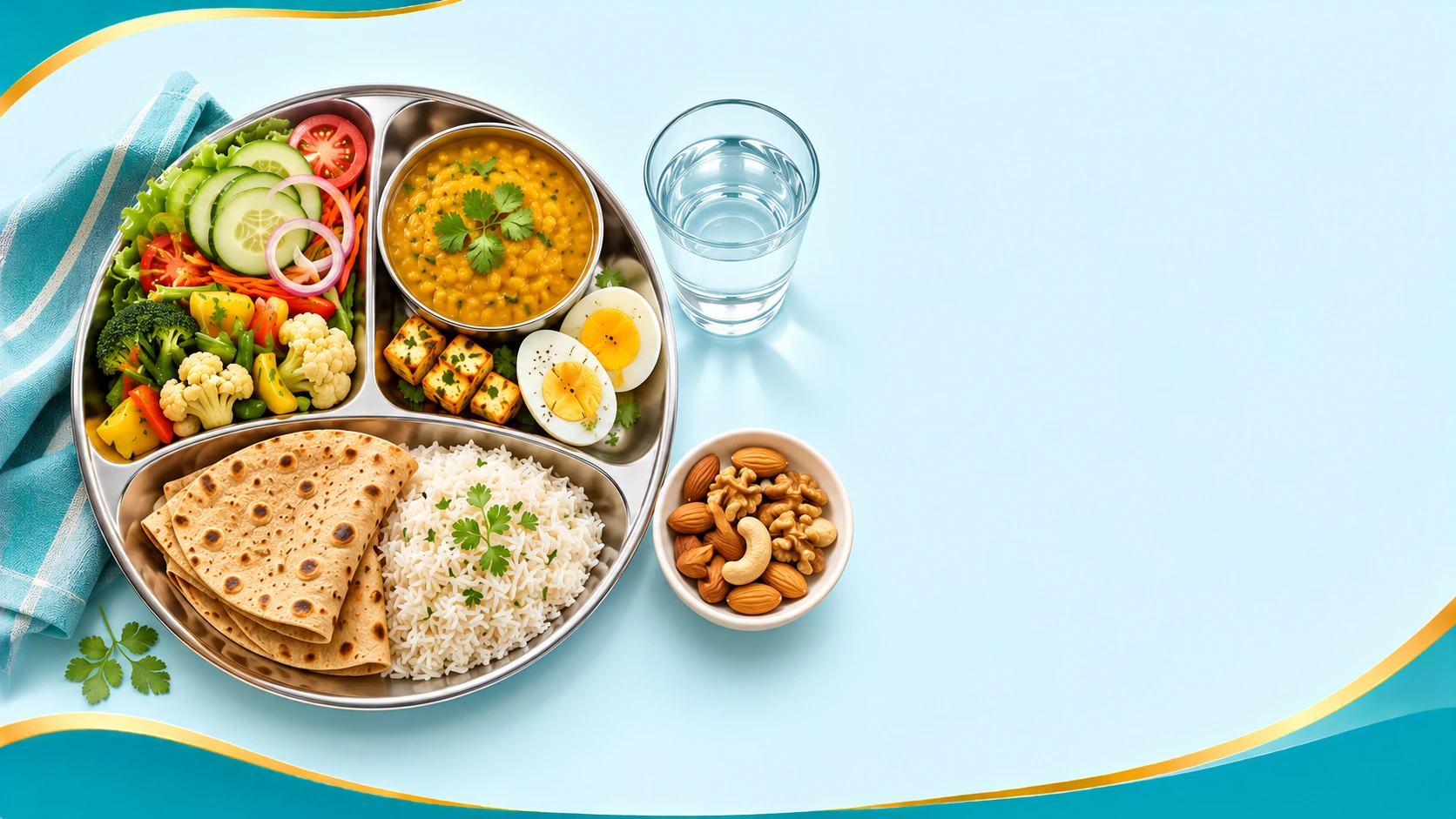
| Part of the plate |
What to fill it with |
Examples |
| Half |
Non-starchy vegetables and salad |
Spinach, methi, cabbage, beans, cucumber, tomato, bottle gourd, ladyfinger |
| One quarter |
Protein |
Dal, sprouts, paneer, curd, egg, fish, chicken, tofu, soya |
| One quarter |
Whole grain or millet |
Ragi, jowar, bajra roti, multigrain chapati, brown or red rice, oats |
| Extras |
Healthy fats and a fruit |
A handful of nuts, a teaspoon of ghee or oil, a seasonal fruit |
Ragi, jowar, bajra, oats, whole-wheat or multigrain roti, brown or red rice, quinoa. Keep portions moderate.
Moong, masoor, toor, chana, rajma, chickpeas, sprouts. These give protein and fiber and help keep blood sugar steady.
All varieties, especially leafy greens (palak, methi, amaranth), cruciferous vegetables (cabbage, cauliflower, broccoli), beans, carrots, gourds and pumpkin.
Guava, apple, pear, papaya, berries, orange, pomegranate. Have fruit whole, not as juice, and stay within a sensible portion, such as one or two servings a day.
Paneer, curd, buttermilk, eggs, fish, chicken, soya chunks and tofu.
Nuts (almonds, walnuts), seeds (flax, pumpkin, sunflower), groundnut or mustard oil in moderation, and fish like sardine or mackerel.
Water, buttermilk, unsweetened tea or coffee in moderation, coconut water occasionally, jeera or ajwain water.
| Limit or avoid |
Why |
What to choose instead |
| Sugary drinks, packaged juices, sweets and mithai |
Spike blood sugar |
Water, buttermilk, a small portion of fruit |
| Maida products, white bread, bakery items |
Refined, low fiber |
Whole-wheat, multigrain or millet options |
| Deep-fried snacks, samosa, chips, namkeen |
Unhealthy fats, calories |
Roasted chana, makhana, nuts, sprouts chaat |
| Large portions of white rice |
Raise blood sugar quickly |
Smaller portions with plenty of dal and vegetables, or brown rice |
| Ultra-processed and instant foods |
High in refined carbohydrates and salt |
Home-cooked meals |
| Skipping meals followed by bingeing |
Unsteady blood sugar |
Regular, balanced meals |
No single food causes or removes PCOD. Moderation and patterns over weeks matter more than one meal.
| Time |
Meal |
| On waking |
Warm water, or jeera water |
| Breakfast |
Vegetable ragi dosa or moong dal chilla with mint chutney, and a glass of buttermilk |
| Mid-morning |
A guava or an apple, and 5 almonds |
| Lunch |
2 jowar or multigrain rotis, 1 bowl dal, 1 bowl mixed vegetable sabzi, a large salad and a small bowl of curd |
| Evening |
Roasted chana or sprouts chaat, and tea without sugar |
| Dinner |
1 bowl vegetable and paneer stir-fry or soya curry, 1 roti or a small bowl of brown rice, and a bowl of soup or salad |
| Bedtime (if hungry) |
A glass of warm milk, or a few walnuts |
- Breakfast: 2 egg omelette with vegetables and 1 multigrain toast
- Lunch: grilled or curry fish or chicken with vegetables, a roti and salad
- Dinner: chicken or egg curry with plenty of vegetables and a small portion of rice or roti
Portions depend on your age, height, weight, activity and any other health conditions. A dietitian or doctor can tailor the plan.
If you are overweight, a modest, steady loss is more useful than a rapid one.
- Aim to lose about 5 to 10 percent of your body weight over several months
- Create a small calorie deficit by reducing portions of refined carbohydrates and sweet foods, not by cutting out whole food groups
- Keep protein and fiber high so you feel full
- Avoid fad diets, extreme fasting and weight-loss pills or “slimming teas”
- Weigh yourself or measure your waist at regular intervals, not daily
Some women are advised vitamin D, inositol or other supplements. Evidence varies, and they should be taken only after your doctor checks your needs. Do not use supplements marketed as a quick fix for PCOD. Tell your doctor about any herbs or powders you take.
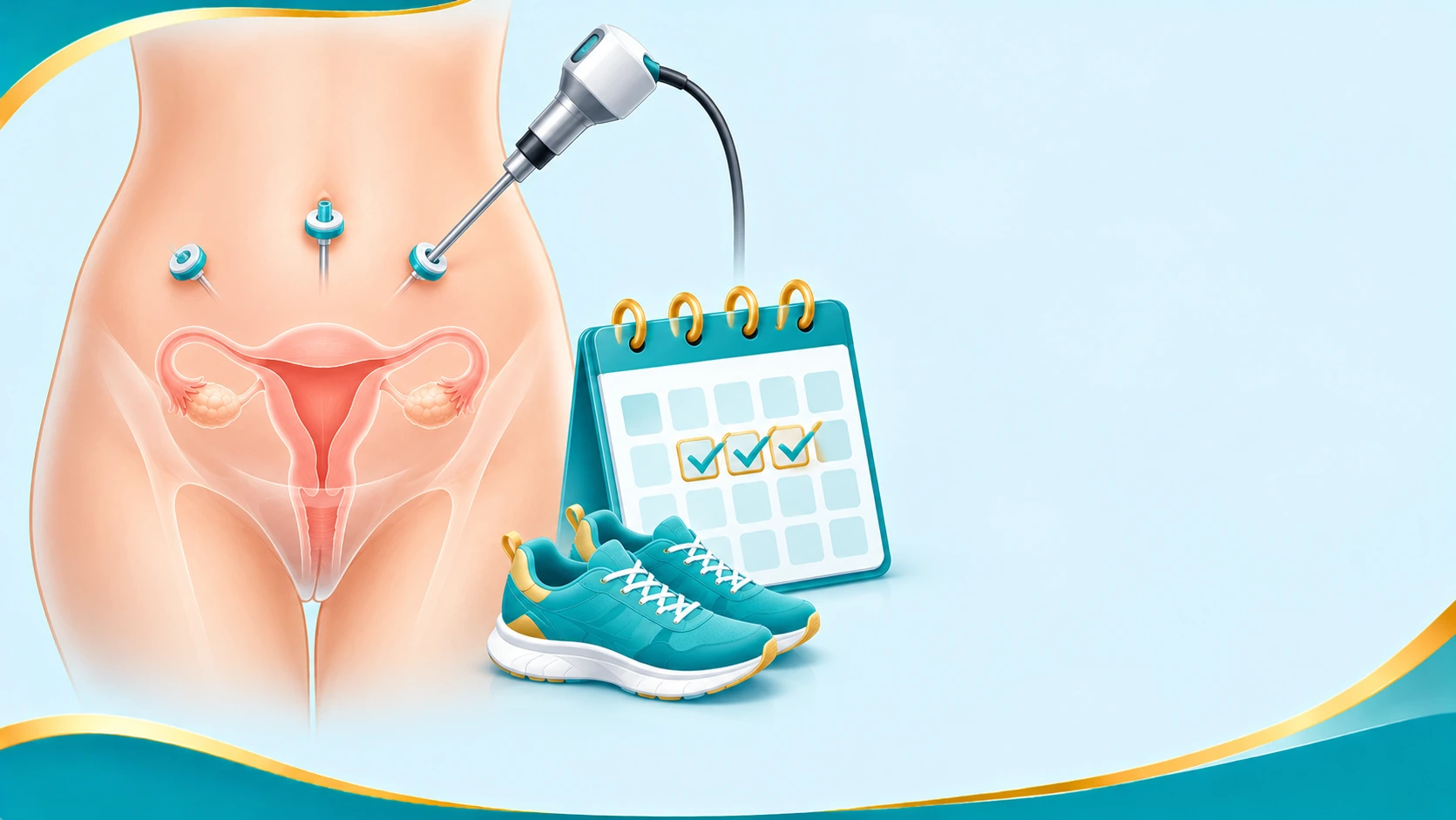
- Exercise: aim for at least 150 minutes of moderate activity a week, such as brisk walking, cycling, swimming or dancing, plus two sessions of muscle-strengthening
- Sleep: 7 to 8 hours. Poor sleep affects hunger hormones and blood sugar
- Stress: yoga, breathing exercises, hobbies and time outdoors can help
Women with PCOD who are not overweight also have insulin resistance in many cases. They benefit from the same balanced pattern, enough protein, regular exercise and avoiding extreme dieting. Weight loss is not the goal for them.
See a gynecologist if you have periods that come less than 8 times a year or more than 35 days apart, no periods for 3 months, heavy bleeding, excess facial or body hair, severe acne, hair thinning, rapid weight gain, dark velvety skin patches, or if you have been trying to conceive for 6 to 12 months. Diet is one part of the care, and tests and treatment may be needed. See our guides on irregular periods and PCOS and PMOS and fertility.
The Obstetrics and Gynecology department at Genesiss Hospital, BTM Layout, evaluates PCOD and PCOS, orders the right tests and discusses treatment, diet and lifestyle with each woman. We are at 17, 100 Feet Ring Road, near Jayadeva Metro, BHBCS Layout, BTM 2nd Stage, Bengaluru 560076, and women visit from Jayanagar, JP Nagar, Koramangala, HSR Layout and Bannerghatta Road. Learn about our PCOS treatment or call +91 98867 77592.
What is the diet for PCOD?
There is no single PCOD diet. A balanced, high-fiber, lower-glycemic pattern with enough protein and healthy fats, regular meals and limited sugar and refined foods is advised, along with exercise and sleep.
Which foods should be avoided in PCOD?
Limit sugary drinks, sweets, maida products, deep-fried snacks, ultra-processed foods and large portions of white rice. Occasional treats are fine.
Can PCOD be reversed with diet?
PCOD is a long-term condition, and diet alone does not remove it. Healthy eating, weight management and exercise can improve periods, blood sugar and symptoms, and are part of treatment.
Can I eat rice and roti with PCOD?
Yes, in sensible portions. Choose whole grains and millets, and combine them with dal, vegetables and protein. Quantity matters.
Is milk or dairy bad for PCOD?
There is no firm evidence that dairy must be avoided. Choose unsweetened curd, buttermilk and moderate milk, and discuss any concerns with your doctor or dietitian.
How long does it take for a PCOD diet to work?
Changes in energy and blood sugar may appear in weeks. Periods and weight often take 3 to 6 months of steady habits.
Do I need supplements for PCOD?
Not everyone. Vitamin D or inositol may be advised for some women after tests. Take supplements only on your doctor's advice.
17, 100 Feet Ring Road, near Jayadeva Metro, BHBCS Layout, BTM 2nd Stage, BTM Layout, Bengaluru, Karnataka 560076.
Phone: +91 98867 77592 | Email: contact@genesisshospital.com
Emergency and trauma care are available round the clock.
Book an appointment | Contact us | Our doctors
This article is for general health information. It is not a substitute for examination, diagnosis or treatment by a qualified doctor. If you think you may have an emergency, go to the nearest emergency department or call the hospital.