Medically reviewed by: Dr. Divya J G, MBBS, MS (OBG), DNB, FMAS, FRM, Consultant Obstetrician and Gynaecologist Last reviewed: 27 October 2026
Heavy periods that soak through pads, cramps that make you cancel plans and a heavy, bloated feeling in the lower belly are often dismissed as “just periods”. For many women in their thirties and forties, one cause is adenomyosis, a common but under-recognized condition of the uterus. It is often confused with endometriosis and fibroids, and a missed diagnosis can mean years of suffering and anemia. This guide explains what adenomyosis is, how to recognize it, how it is diagnosed and the treatments available, including options for women who wish to conceive.
Key points: In adenomyosis, tissue like the uterine lining grows into the muscular wall of the uterus, making it thick and tender. The usual signs are heavy, long periods and severe, worsening period pain. About a third of women have no symptoms. Diagnosis is made with a pelvic ultrasound, sometimes an MRI. Treatment ranges from medicines and a hormonal IUD to uterus-preserving procedures and, when family is complete, hysterectomy.
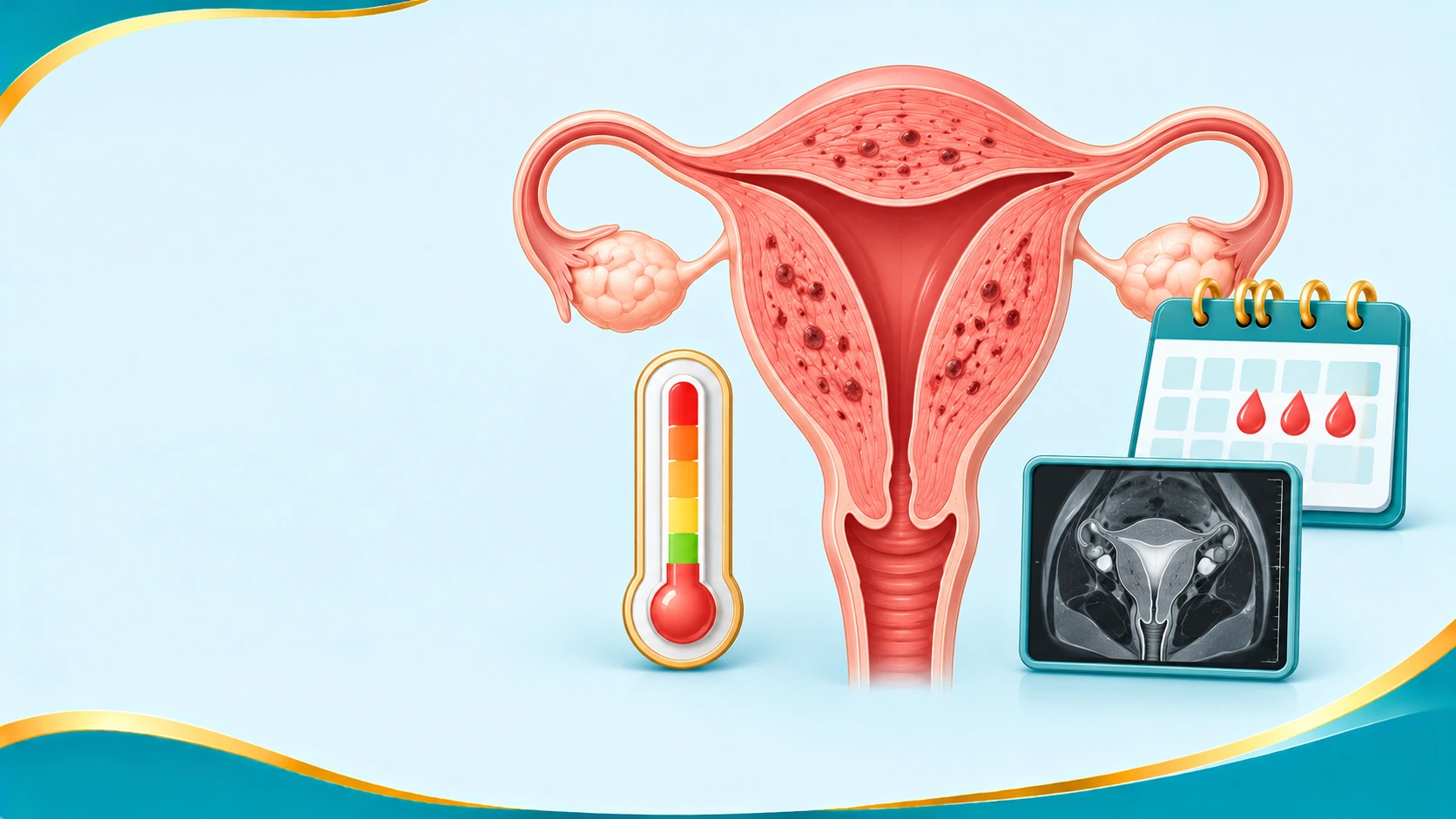
The inside of the uterus is lined by a layer called the endometrium, which thickens each month and is shed as a period. In adenomyosis, endometrial tissue grows inside the muscle layer (myometrium) of the uterus. Each month, this tissue behaves as it does in the lining: it thickens and bleeds, but it is trapped within the muscle. The uterus can become enlarged, boggy and tender.
Adenomyosis is not cancer. It is most often diagnosed in women aged 35 to 50, and it is more common in women who have had children. It can also affect younger women.
- Heavy periods, with large clots and bleeding that lasts longer than 7 days
- Severe cramping and pelvic pain that gets worse over the years
- Long-lasting, dull pelvic pain between periods
- Pain during intercourse
- A feeling of heaviness, bloating or pressure in the lower abdomen, and sometimes a larger uterus on examination
- Tiredness, dizziness or breathlessness due to anemia from blood loss
- Difficulty conceiving or repeated miscarriage in some women
- No symptoms at all in about one in three women
Anemia is a particular concern in India, where more than half of women aged 15 to 49 are anemic, according to NFHS-5 (2019 to 2021). Heavy bleeding can worsen it, so do not ignore tiredness or breathlessness.
The exact cause is not known. Possible explanations include:
- Endometrial tissue invading the muscle wall from the lining
- Tissue left behind after a previous uterine surgery such as a C-section or D and C
- Inflammation of the uterus after childbirth
- Hormonal influences, particularly estrogen, since adenomyosis usually improves after menopause
Adenomyosis often occurs with fibroids or endometriosis, which can make it harder to recognize.
|
Adenomyosis |
Endometriosis |
Fibroids |
| What it is |
Lining-like tissue inside the uterine muscle |
Lining-like tissue outside the uterus (ovaries, pelvis, bowel) |
Non-cancerous muscle lumps in or on the uterus |
| Typical age |
35 to 50 |
20s to 40s |
30s to 50s |
| Main symptoms |
Heavy, long periods, severe cramps, enlarged tender uterus |
Severe period and pelvic pain, pain in intercourse, infertility |
Heavy bleeding, pressure, frequent urination, sometimes no symptoms |
| Uterus on scan |
Diffusely enlarged, thick wall, no distinct lump |
Usually normal size, ovarian cysts may be seen |
Distinct round masses |
| Usual diagnosis tools |
Ultrasound, MRI |
Ultrasound, MRI, laparoscopy |
Ultrasound, MRI |
| Related page |
This guide |
Endometriosis management |
Fibroids and cysts |
More than one condition can be present at the same time.
- History and pelvic examination: the doctor may feel a larger, tender uterus
- Transvaginal ultrasound: the usual first test. Findings that suggest adenomyosis include a thickened uterine wall, uneven muscle texture, small cysts within the muscle and a poorly defined border between lining and muscle
- MRI of the pelvis: more detailed, and helpful when the ultrasound is unclear or when planning treatment, particularly to tell adenomyosis from fibroids
- Blood tests: hemoglobin and iron levels to check for anemia, and other tests to rule out other causes of heavy bleeding
- Endometrial biopsy or hysteroscopy: in some women to exclude other causes such as polyps or abnormal lining
- Definitive confirmation: historically made by examining the uterus after hysterectomy. Imaging is now accepted for diagnosis in most women
Reports may say “globular uterus”, “heterogeneous myometrium”, “myometrial cysts”, “asymmetric thickening of the posterior wall” or “thickened junctional zone”. These phrases can suggest adenomyosis, but they must be interpreted with your symptoms. Not every report with these words means treatment is needed, and not every woman with symptoms has a clear report. Always discuss the report with your gynecologist.
Treatment depends on your symptoms, age, whether you want to conceive and how much the condition affects your life.
| Treatment |
What it does |
Notes |
| Pain medicines (NSAIDs) |
Reduce cramps and bleeding in some women |
Taken as advised, usually around periods |
| Tranexamic acid |
Reduces heavy bleeding |
Taken during periods |
| Iron and anemia treatment |
Treats blood loss |
Essential if hemoglobin is low |
| Hormonal intrauterine system (levonorgestrel IUS) |
Reduces bleeding and pain |
Often a first-line option for many women |
| Hormonal pills, progestins |
Control periods and pain |
Different options with different side effects |
| GnRH medicines |
Temporarily stop periods and shrink the uterus |
Short-term, with menopausal-type side effects |
| Uterine artery embolization |
Blocks blood supply to reduce symptoms |
For selected women who wish to keep the uterus |
| Focused energy treatments |
Targeted heating of the area |
Available in selected centers, with limited long-term data |
| Adenomyomectomy (surgery to remove the affected area) |
Removes a localized adenomyosis lump |
Selected women who want to keep fertility. Technically demanding |
| Hysterectomy |
Removes the uterus |
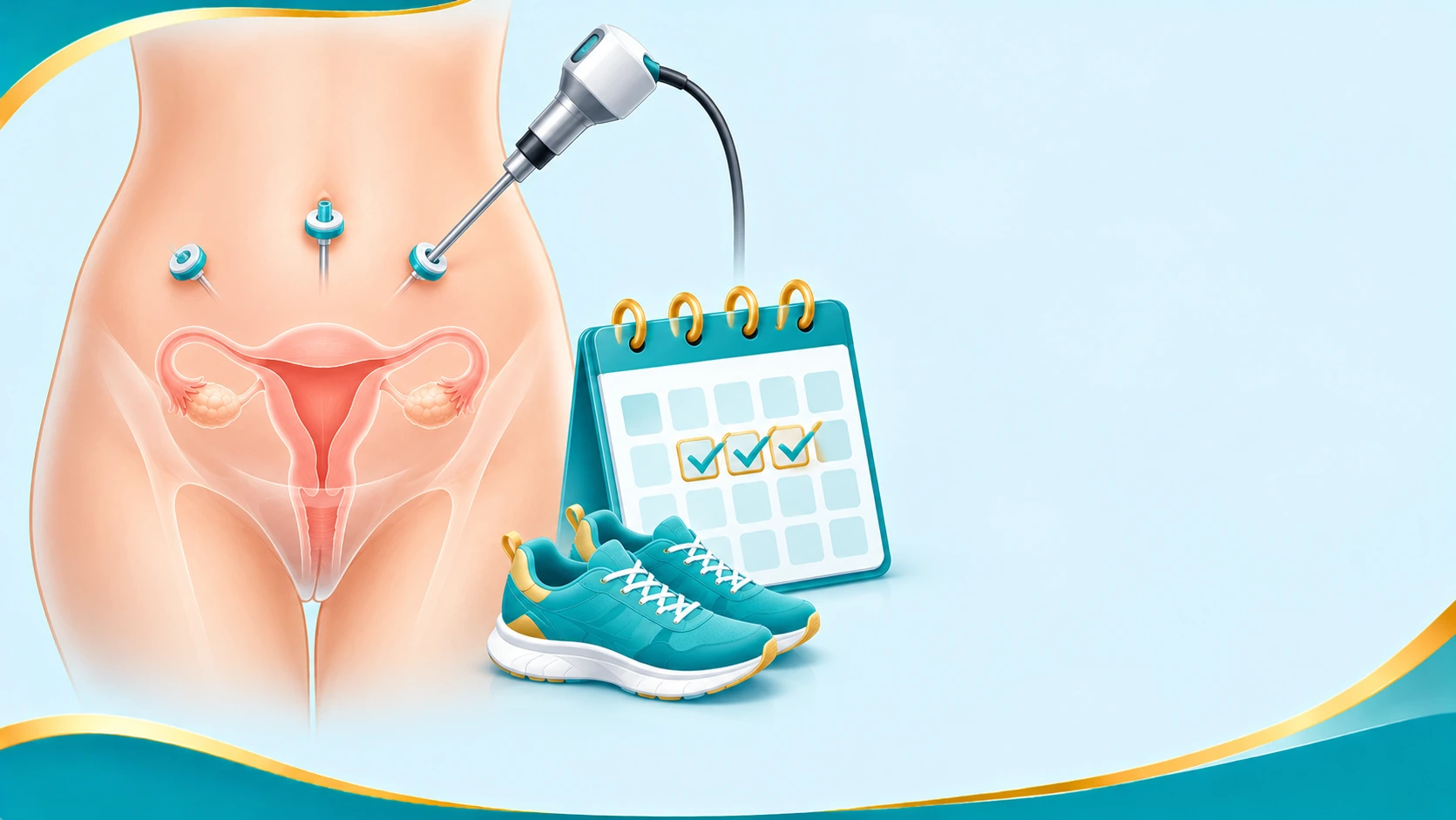
Definitive treatment when family is complete. See our guide to laparoscopic hysterectomy |
There is no single option that suits everyone. Many women do well with medicines and a hormonal IUD for years. Your doctor will explain the benefits, side effects and limits of each option.
Adenomyosis may reduce the chance of conceiving in some women, and is associated with a higher risk of miscarriage and pregnancy complications in some studies. Many women with adenomyosis do conceive and have healthy pregnancies, naturally or with fertility treatment. If you want a baby, discuss your plans before starting treatment, because some medicines prevent pregnancy. A fertility specialist and gynecologist can plan together. See infertility care.
- Track your periods and pain in a diary to show your doctor
- Use heat packs and gentle exercise for cramps
- Eat iron-rich foods, such as leafy vegetables, legumes, dates and jaggery, and take iron if prescribed
- Rest when needed, and tell your employer or family if you need support
- Seek support for emotional strain, since chronic pain can affect mood
See a doctor soon if you soak a pad every hour for several hours, pass very large clots, feel dizzy or faint, have severe pain that stops you from working, have persistent pelvic pain between periods, or have been trying to conceive for 6 to 12 months with painful, heavy periods.
The Obstetrics and Gynecology department at Genesiss Hospital, BTM Layout, evaluates heavy and painful periods, arranges ultrasound and other tests and discusses treatment options in a private consultation. We are at 17, 100 Feet Ring Road, near Jayadeva Metro, BHBCS Layout, BTM 2nd Stage, Bengaluru 560076, and women visit from Jayanagar, JP Nagar, Koramangala, HSR Layout and Bannerghatta Road. See our Obstetrics and Gynecology department or the page on irregular and heavy periods, or call +91 98867 77592.
What are the symptoms of adenomyosis?
Heavy and long periods, severe and worsening cramps, pelvic pain between periods, pain during intercourse, a heavy feeling in the lower belly and tiredness from anemia. Some women have no symptoms.
What is the difference between adenomyosis and endometriosis?
In adenomyosis, lining-like tissue grows into the muscle wall of the uterus. In endometriosis, similar tissue grows outside the uterus. They can occur together.
Can adenomyosis be treated without a hysterectomy?
Yes, in many women. Options include medicines, a hormonal IUD, hormonal treatments and, in selected cases, uterine artery embolization or surgery to remove the affected area. Hysterectomy is the definitive option when the family is complete.
Does adenomyosis affect fertility?
It may make conceiving harder in some women and raise the risk of miscarriage, but many women conceive. Discuss your plans with a gynecologist and a fertility specialist.
How is adenomyosis diagnosed?
Usually by transvaginal ultrasound and sometimes MRI, together with your symptoms and examination.
Does adenomyosis go away after menopause?
Symptoms usually improve after menopause, because the condition depends on estrogen.
Is adenomyosis cancer?
No, adenomyosis is a non-cancerous condition. Your doctor may do tests to rule out other causes of heavy bleeding.
17, 100 Feet Ring Road, near Jayadeva Metro, BHBCS Layout, BTM 2nd Stage, BTM Layout, Bengaluru, Karnataka 560076.
Phone: +91 98867 77592 | Email: contact@genesisshospital.com
Emergency and trauma care are available round the clock.
Book an appointment | Contact us | Our doctors
This article is for general health information. It is not a substitute for examination, diagnosis or treatment by a qualified doctor. If you think you may have an emergency, go to the nearest emergency department or call the hospital.