Quick Answer
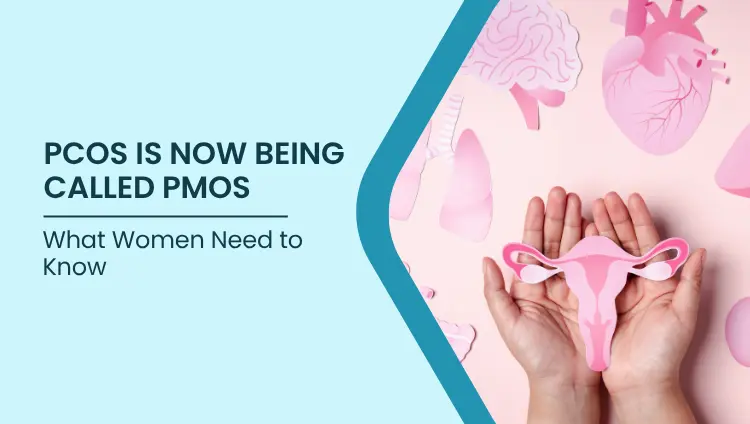
PCOS has not officially disappeared, but many experts are now advocating for the term PMOS (Polycystic Metabolic Ovary Syndrome) because it better reflects the true nature of the condition. PCOS is not just an ovarian disorder. It is a metabolic and hormonal condition that can affect fertility, insulin resistance, weight management, heart health, menstrual cycles, and long-term wellbeing. The name PMOS aims to highlight these broader health impacts.
For years, millions of women have been diagnosed with Polycystic Ovary Syndrome (PCOS).
However, many doctors and researchers believe the name does not accurately describe what the condition really is.
In fact, many women diagnosed with PCOS do not have ovarian cysts at all.
At the same time, the condition affects much more than the ovaries. It can influence metabolism, insulin levels, body weight, fertility, hormones, menstrual cycles, and even future cardiovascular health.
This is why a growing number of experts are discussing a new name:
PMOS – Polycystic Metabolic Ovary Syndrome.
The condition itself has not changed.
What has changed is our understanding of it.
PMOS stands for:
Polycystic Metabolic Ovary Syndrome
The proposed name highlights that PCOS is not simply a reproductive condition.
It is also a metabolic disorder.
Many women with PCOS experience:
- Insulin resistance
- Weight gain
- Difficulty losing weight
- Hormonal imbalance
- Irregular periods
- Fertility challenges
- Increased risk of diabetes
- Increased risk of cardiovascular disease
The term PMOS aims to better reflect these metabolic aspects.
The push toward PMOS comes from a growing recognition that the current name can be misleading.
The term “Polycystic Ovary Syndrome” creates two common misunderstandings:
Not true.
Many women diagnosed with PCOS do not have ovarian cysts visible on ultrasound.
Also not true.
PCOS affects:
- Hormones
- Metabolism
- Insulin regulation
- Fertility
- Menstrual cycles
- Long-term health
The proposed PMOS name better captures the broader medical picture.
The name PCOS was developed based on what doctors could observe many years ago.
Today, medical science understands much more about the condition.
Researchers now know that insulin resistance plays a major role for many women.
In fact, metabolic abnormalities may contribute significantly to:
- Irregular ovulation
- Weight gain
- Hormonal imbalance
- Fertility difficulties
The name PMOS highlights this important metabolic component.
The condition itself remains largely the same.
The difference is how it is described.
| PCOS |
PMOS |
| Focuses mainly on ovaries |
Focuses on metabolism and ovaries |
| Can suggest cysts are always present |
Recognises many women have no cysts |
| Emphasises reproductive symptoms |
Includes reproductive and metabolic health |
| Traditional terminology |
Proposed modern terminology |
In practical terms, women diagnosed with PCOS would generally still have the same condition under the PMOS concept.
Many women initially seek medical advice because of:
- Irregular periods
- Missed periods
- Difficulty conceiving
- Acne
- Facial hair growth
- Weight gain
However, these symptoms often originate from underlying hormonal and metabolic disturbances.
This explains why some women continue struggling with symptoms even when ovarian cysts are not present.
Women experiencing cycle irregularities may also benefit from reading our guide on Why Are Period Cycles Changing Suddenly?.
Many women focus on fertility symptoms while overlooking metabolic signs.
Common metabolic symptoms include:
Insulin resistance is one of the most important drivers of PCOS.
It may contribute to:
- Weight gain
- Sugar cravings
- Difficulty losing weight
- Fatigue
Many women notice that weight gain occurs despite healthy efforts.
Women with PCOS have a higher lifetime risk of developing type 2 diabetes.
Research suggests women with PCOS may have increased risks of:
- High cholesterol
- High blood pressure
- Cardiovascular disease
These factors are part of the reason experts support the PMOS terminology.
Yes.
One of the most common fertility-related effects of PCOS is irregular ovulation.
Without predictable ovulation, conception can become more difficult.
Women with PCOS may experience:
- Delayed ovulation
- Infrequent ovulation
- Irregular menstrual cycles
- Difficulty predicting fertile days
This does not mean pregnancy is impossible.
Many women with PCOS conceive naturally or with appropriate fertility support.
Absolutely.
Many women diagnosed with PCOS successfully become mothers.
Success depends on factors such as:
- Ovulation status
- Age
- Egg quality
- Overall reproductive health
- Partner fertility factors
Women concerned about fertility may find our guide on PCOS but No Symptoms: Can It Still Affect Pregnancy? particularly useful.
Currently, doctors continue to diagnose PCOS using established medical criteria.
Evaluation may include:
- Medical history
- Menstrual history
- Hormone testing
- Ultrasound examination
- Metabolic assessment
The focus is increasingly shifting toward identifying both reproductive and metabolic health concerns.
Treatment depends on a woman’s symptoms and goals.
Management may include:
- Healthy diet
- Weight management
- Regular exercise
- Improved sleep
Certain medications may help regulate menstrual cycles and hormone levels.
Women trying to conceive may require:
- Ovulation support
- Fertility evaluation
- IVF in selected situations
Couples considering fertility treatment options may also find our guide on IVF vs Natural Pregnancy – When Should You Choose What? helpful.
Medical evaluation is recommended if you experience:
- Irregular periods
- Missed periods
- Difficulty conceiving
- Unexplained weight gain
- Excess facial hair growth
- Acne that persists into adulthood
- Signs of hormonal imbalance
Women who have been trying to conceive for more than a year may also benefit from reading Trying to Conceive for 12 Months? When to Consider Fertility Support.
Many women live with symptoms for years before receiving a diagnosis.
Early evaluation can help:
- Improve fertility outcomes
- Manage metabolic health
- Reduce long-term complications
- Improve quality of life
At Genesiss Hospital, comprehensive women’s healthcare is available through the Obstetrics & Gynaecology Department and the Male & Female Infertility and IVF Department.
Women seeking fertility guidance and PCOS management may also consult Dr Divya J G, who specialises in fertility care, IVF, menstrual disorders, and reproductive medicine.
To learn more about the hospital’s patient-centred approach, visit the About Genesiss Hospital page.
Consult a specialist if:
- Your periods are consistently irregular
- You have difficulty conceiving
- You experience symptoms of hormonal imbalance
- You are concerned about PCOS or PMOS
- You have unexplained weight gain or insulin resistance
Early intervention often helps prevent long-term complications and supports better reproductive health.
Dr Divya J G
Obstetrician, Gynaecologist, IVF Specialist & Fertility Specialist
What is PCOS now called?
Many experts are advocating for the term PMOS (Polycystic Metabolic Ovary Syndrome) because it better reflects the metabolic and hormonal aspects of the condition.
What does PMOS stand for?
PMOS stands for Polycystic Metabolic Ovary Syndrome.
Why did PCOS change to PMOS?
The proposed change recognises that the condition affects much more than the ovaries and often involves metabolic health and insulin resistance.
Is PCOS officially renamed to PMOS?
Currently, PCOS remains the widely used medical diagnosis. PMOS is a proposed terminology being discussed by experts and researchers.
Can women with PMOS get pregnant?
Yes. Many women with PCOS or PMOS conceive naturally or with appropriate fertility support.
Does PCOS mean poor egg quality?
Not necessarily. PCOS mainly affects ovulation and hormone regulation. Egg quality depends on multiple factors including age and overall reproductive health.
The condition commonly known as PCOS is increasingly being viewed as a metabolic and hormonal disorder rather than simply an ovarian condition. The proposed term PMOS reflects this broader understanding and highlights the importance of addressing both reproductive and metabolic health.
While the name may evolve, the most important message remains unchanged: early diagnosis, proper management, and personalised medical care can help women protect their fertility, improve their health, and achieve their long-term goals.