Quick answer: After gallbladder removal, your liver keeps making bile, but it now flows directly into the small intestine instead of being stored first. Most people digest food normally and live a full, active life. Some notice looser stools or discomfort after very fatty meals for a few weeks, and this usually settles as the body adjusts. A permanently restrictive diet is generally not needed.
If you are facing gallbladder surgery, or you have already had your gallbladder removed, one of the most common questions patients ask is what happens if the gallbladder is removed for good. It is a completely reasonable thing to wonder about, since the gallbladder does play a role in digestion. The reassuring answer is that the vast majority of people go on to live a completely normal life without a gallbladder, with only some minor, manageable adjustments along the way.
This page is written for patients who have already decided on, or are seriously considering, gallbladder removal surgery and want a realistic, practical picture of life afterwards. If you are still trying to understand your gallstones and whether surgery is needed at all, our guide on which size of gallbladder stone is dangerous may be a more useful starting point.
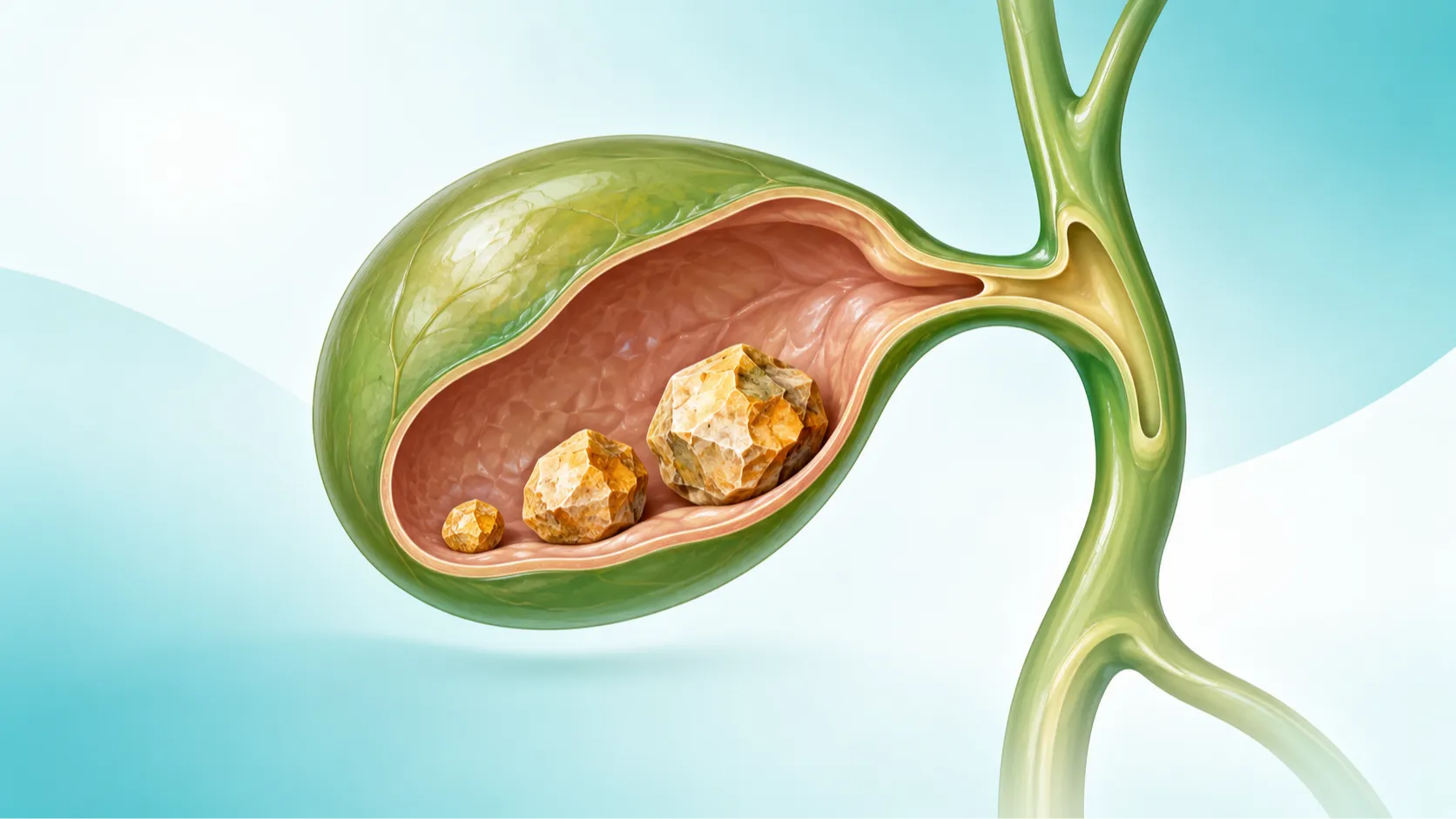
The gallbladder’s job is to store and concentrate bile, a fluid made by the liver that helps break down fat during digestion. It does not produce anything on its own. It is essentially a storage tank. When the gallbladder is removed, the liver keeps making bile just as before. The bile simply flows more directly into the small intestine instead of being stored and released in a concentrated burst after meals.
This is the key reason most people adapt so well after surgery. Digestion does not stop working. It just works slightly differently, particularly when it comes to processing larger amounts of fat in one sitting. The NHS page on gallbladder removal and its recovery advice explain this in more detail.
For most patients, day-to-day life looks very much like it did before, with a few general adjustments that some people notice, especially in the weeks and months immediately following surgery.
Since bile is no longer released in a concentrated burst, some patients find that very large or very fatty meals are more likely to cause bloating, discomfort or loose stools, at least initially. Many people find this settles over time as the body adjusts.
Some patients notice slightly looser stools after fatty meals, particularly in the first few weeks after surgery. For most people this improves with time and does not continue indefinitely.
Living without a gallbladder does not shorten your lifespan or meaningfully limit your activities. Most patients return to their normal work, exercise and social routines within a few weeks of a laparoscopic gallbladder removal.
It is worth being just as clear about what stays the same, because much of the anxiety around this surgery comes from overestimating how much will be different.
| What changes for some people |
What stays the same |
| Very fatty or very large meals may cause bloating or loose stools at first |
You can still eat a wide, varied diet, including fats in moderation |
| Bowel habits may be slightly looser for a few weeks |
Your digestive system continues to work normally for the vast majority of foods |
| You may prefer smaller, more frequent meals at first |
Your overall nutrition and ability to absorb vitamins are not meaningfully affected for most people |
| A short adjustment period after surgery |
Most patients report no long-term impact on quality of life once the initial recovery has passed |
You do not need to follow a permanently restrictive diet.
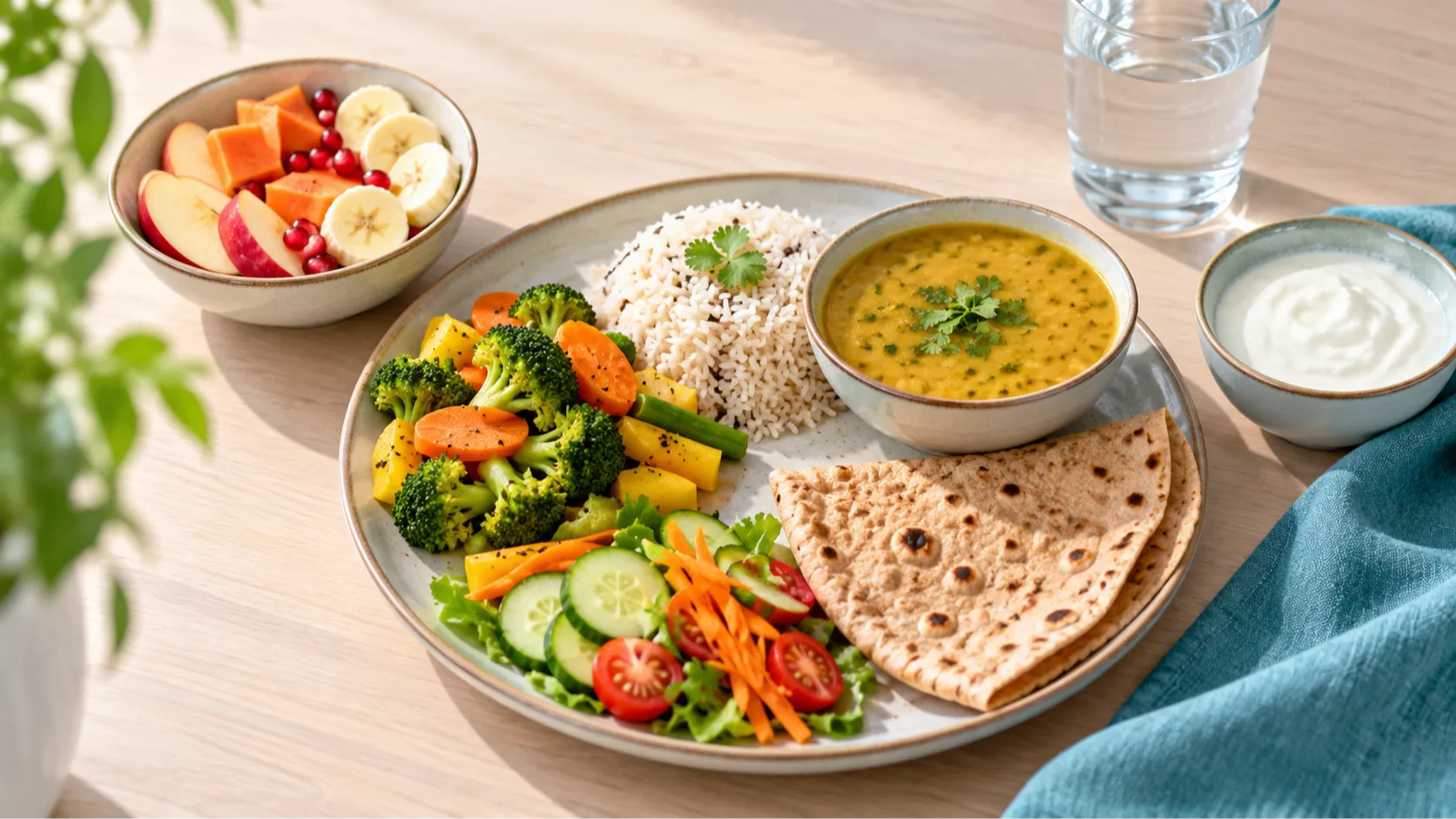
While there is no single mandatory diet after gallbladder removal, many patients find the following general, common-sense habits helpful, particularly in the first few weeks:
- Introduce fatty or fried foods gradually rather than all at once
- Eat smaller, more frequent meals rather than a few very large ones
- Pay attention to how your own body responds to specific foods, since this varies from person to person
- Stay hydrated and include fiber-rich foods, which many patients find helpful for digestion generally
| Usually easier in the early weeks |
Go slowly with these at first |
| Steamed or boiled vegetables, dal, soups |
Deep-fried snacks such as pakoras and samosas |
| Fruit, curd or buttermilk |
Very rich curries with a lot of oil, cream or ghee |
| Idli, rice, chapati, oats |
Large portions of full-fat dairy sweets |
| Lean protein such as egg whites, fish or chicken cooked with little oil |
Fast food, butter-heavy dishes and processed fatty meats |
These are general educational pointers, not a personalized nutrition plan. Every patient’s digestive response after gallbladder removal is a little different. If you want a more structured diet plan or are experiencing ongoing digestive discomfort, it is best to discuss this directly with your surgeon or a registered dietitian who can tailor advice to your specific situation. The NIDDK guide on eating, diet and nutrition for gallstones is also a useful neutral reference.
Recovery depends on your health, the technique used and whether there were any complications. The table below is a general guide only.
| Stage |
What many patients experience after laparoscopic surgery |
| First day or two |
Rest, gentle walking, mild shoulder or abdominal discomfort, light meals |
| First week |
Energy gradually returns, wound care, slightly looser stools possible |
| Weeks two to four |
Return to work and normal routines for most, guided by your surgeon |
| A few weeks onward |
Fatty foods reintroduced gradually, digestion settling for most people |
Your surgeon will give you a timeline suited to your procedure and health, including when to resume exercise, lifting and driving. If you want to know more about how the operation itself is done, see our gallbladder and biliary surgery page and the laparoscopic surgery options in our general surgery department.
Most post-surgical discomfort settles within a few weeks. That said, it is generally sensible to reach out to your surgical team if you experience:
- Persistent pain that is not improving
- Ongoing or worsening diarrhea
- Fever or signs of infection at the incision site, such as redness, swelling or discharge
- Yellowing of the skin or eyes, pale stools or dark urine
- Repeated vomiting
- Any symptom that concerns you and does not seem to be improving
Your surgeon can assess whether what you are experiencing is a normal part of recovery or something that needs a closer look. For urgent symptoms, see our guides on severe abdominal pain and emergency warning signs and fever in adults: when to go to a hospital.
If you are still planning your operation, our guide to gallbladder and appendix surgery cost in Bangalore gives a general price range. You can meet the surgeons who perform these procedures, including Dr. Niranjan G R and Dr. Vijay Reddy, or read about our full general surgery team in BTM Layout.
What happens if the gallbladder is removed? Does digestion stop working properly?
No. The liver continues producing bile as usual, and it still reaches the intestine to help digest fat, just without being stored and concentrated first. Most people digest food normally after a short adjustment period.
Do I need to follow a strict life without gallbladder diet forever?
Generally, no. Most patients can return to a normal, varied diet over time, introducing richer or fattier foods gradually. Some people remain slightly more sensitive to very large fatty meals, but a permanently restrictive diet is not usually necessary. Your doctor or a dietitian can help you personalize this if you have ongoing symptoms.
How long does it typically take to feel completely normal after gallbladder surgery?
Many patients who undergo a laparoscopic gallbladder removal feel largely back to normal within a few weeks, though this varies by individual, overall health and whether any complications occurred during surgery. Your surgeon can give you a timeline suited to your specific recovery.
Can I eat fatty food after gallbladder removal?
Yes, in most cases, but reintroduce it gradually. Very large or very greasy meals are more likely to cause bloating or loose stools in the first weeks. Smaller portions and moderate fat are usually better tolerated, and many people return to their usual diet over time.
Does removing the gallbladder shorten life expectancy or cause long-term problems?
No. Living without a gallbladder does not shorten your lifespan or meaningfully limit your activities. Most patients report no long-term effect on quality of life once the initial recovery period has passed. A small number have ongoing digestive symptoms and should discuss them with their surgeon.
Why do I have diarrhea after gallbladder removal?
Because bile now flows continuously into the intestine, some people get looser stools, particularly after fatty meals, in the first weeks. It usually improves with time and smaller, lower-fat meals. If diarrhea is persistent, worsening or comes with fever or pain, contact your surgical team.
When should I call my surgeon after gallbladder surgery?
Contact your surgical team for persistent or worsening pain, ongoing diarrhea, fever or signs of wound infection, yellowing of the skin or eyes, pale stools or dark urine, or repeated vomiting. These need assessment to make sure your recovery is on track.
Whether you are preparing for gallbladder surgery or adjusting to life afterwards, the team at Genesiss Hospital, BTM Layout, Bangalore is here to answer your questions and support you through recovery. Book a consultation with our general surgery team to discuss your symptoms, your procedure, or your post-surgery diet and recovery plan.
This article is for general information and does not replace personal medical advice. Diet and recovery advice should be tailored by your surgeon or a registered dietitian.