

Genesiss Hospital | Blogs arrow icon

Urinary Tract Infection (UTI)

By Dr. Raju R 01 February 2026
Share it on: Share on Facebook Share on Twitter Share on LinkedIn Share via Email Share on WhatsApp
Health blog about Urinary Tract Infection (UTI)

Urinary Tract Infection (UTI)

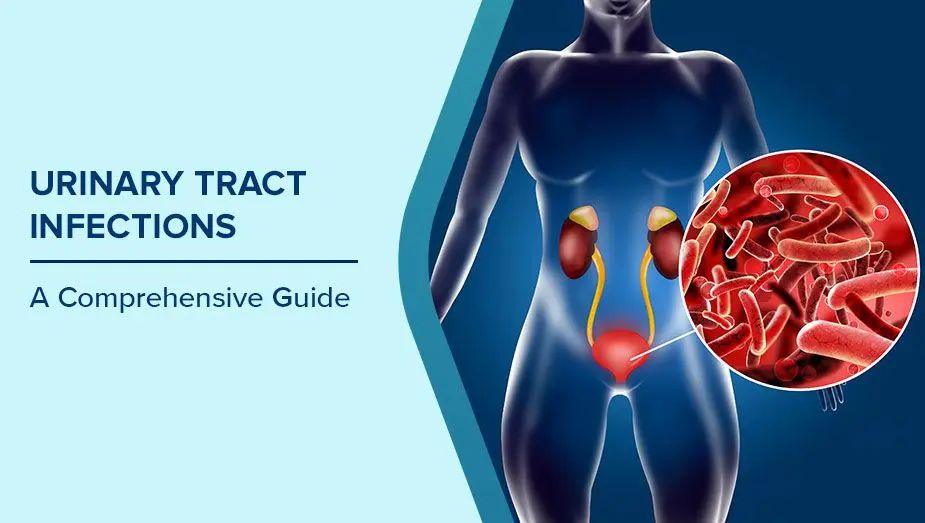
At Genesiss Multispeciality Hospital, our Urology Department provides expert diagnosis and treatment for Urinary Tract Infections (UTIs)—one of the most common urinary conditions affecting both men and women. A UTI occurs when bacteria enter the urinary tract, causing infection in the urethra, bladder, or kidneys. Early treatment is essential to prevent complications such as kidney infection or recurring UTIs. Our specialists use advanced diagnostic tests, targeted antibiotics, and personalized care plans to treat the infection and prevent future episodes.


Problems / Symptoms

  • Burning or Painful Urination (Dysuria): Sharp or burning sensation during urination.
  • Frequent Urination: Strong urge to urinate even when the bladder isn’t full.
  • Lower Abdominal Pain: Discomfort or pressure in the pelvic or lower belly area.
  • Cloudy or Foul-Smelling Urine: Often associated with bacterial infection.
  • Blood in Urine (Hematuria): Pink, red, or brown-colored urine.
  • Fever or Chills: Indicates the infection may be spreading to the kidneys.
  • Back or Flank Pain: Possible sign of upper urinary tract infection.

Causes

  • Bacterial Infection: Most commonly E. coli entering the urinary tract.
  • Poor Hydration: Reduced urine flow allows bacteria to multiply.
  • Improper Toilet Hygiene: Wiping back to front increases infection risk.
  • Sexual Activity: Can introduce bacteria into the urinary tract.
  • Kidney Stones: Obstruction that allows bacteria to grow.
  • Diabetes or Weak Immunity: Higher risk due to reduced infection resistance.
  • Urinary Catheters: Increased risk for hospital-related UTIs.

Treatments Offered

  • Urine Test & Culture: To identify the type of bacteria and choose the right antibiotic.

  • Targeted Antibiotic Therapy: Effective treatment based on culture results.

  • Pain Relief Medication: To ease burning and discomfort during urination.

  • Hydration Guidance: Encourages flushing out bacteria naturally.

  • Management of Recurrent UTI:

    • Long-term low-dose antibiotics
    • Evaluation for kidney stones or anatomical problems
    • Lifestyle modification plans
  • Treatment of Complicated UTI: Kidney infections or chronic infections treated with advanced care.


FAQs

What is a UTI?

A Urinary Tract Infection occurs when bacteria enter the urinary system and cause infection in the bladder, urethra, or kidneys.

What causes UTIs?

They are mainly caused by bacteria such as E. coli. Poor hygiene, dehydration, sexual activity, and kidney stones increase risk.

Are UTIs serious?

Most UTIs are easily treatable, but untreated infections can spread to the kidneys and cause serious complications. Early treatment is important.

How are UTIs diagnosed?

UTIs are diagnosed through urine tests, urine culture, and sometimes ultrasound if recurrent or complicated.

How can UTIs be prevented?

Drink plenty of water, maintain good hygiene, urinate frequently, avoid holding urine, and follow post-intercourse hygiene practices.

Do women get UTIs more often?

Yes. Women have a shorter urethra, making it easier for bacteria to reach the bladder.


Need medical care?

Book your appointment with our expert doctors in just a few clicks.

Need medical care?

Book your appointment with our expert doctors in just a few clicks.

Request Call back?