Medically reviewed by: Dr. Divya J G, MBBS, MS (OBG), DNB, FMAS, FRM, Consultant Obstetrician and Gynaecologist Last reviewed: 24 October 2026
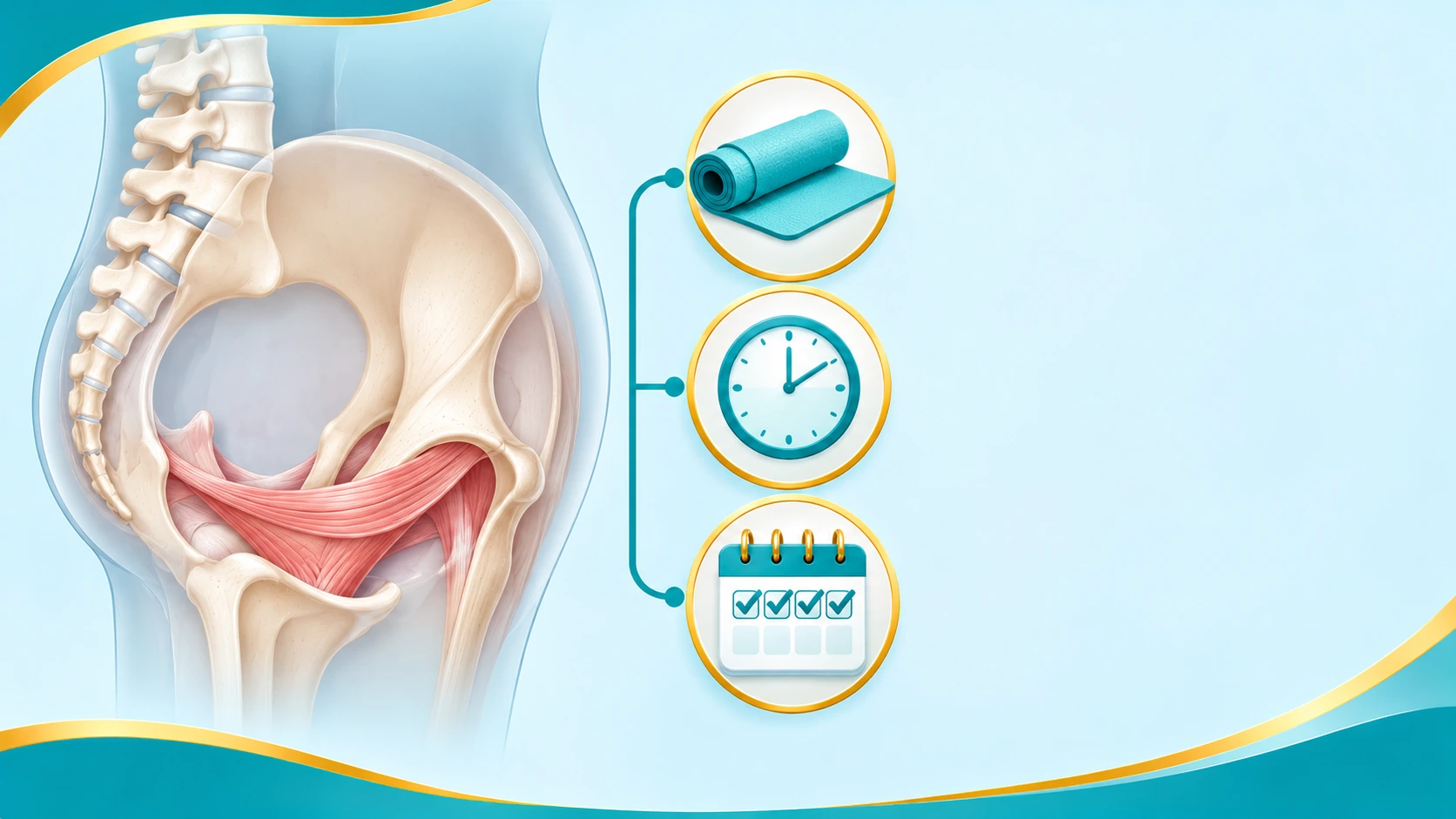
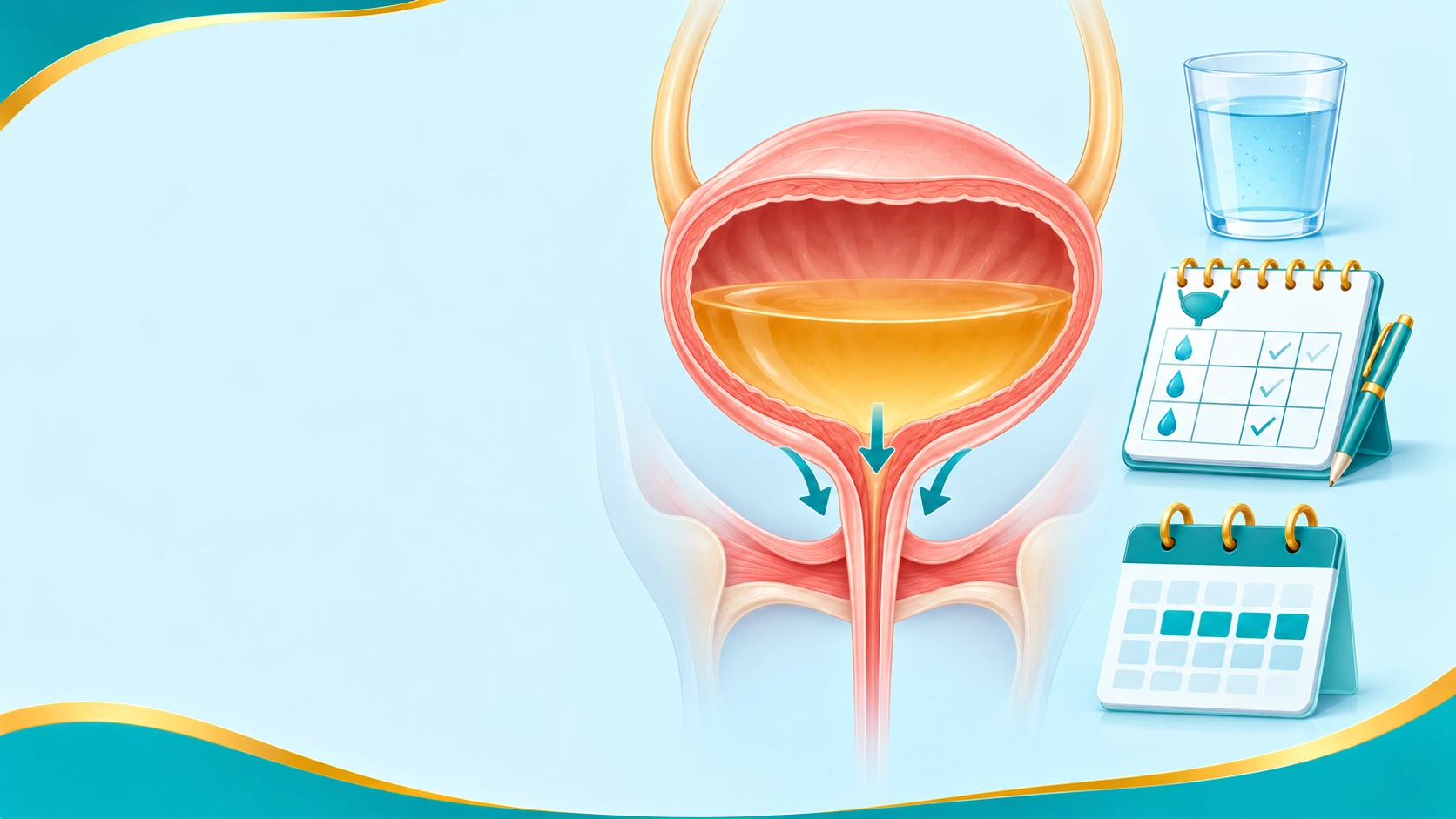
The pelvic floor is a group of muscles that stretch like a hammock from the pubic bone to the tailbone. They hold up the bladder, womb and bowel, help control urine and stool and play a role in sexual function. Pregnancy, childbirth, menopause, chronic constipation and a long-standing cough can weaken them. The good news is that these muscles respond to training, and many women notice improvement within a few weeks of regular, correct exercises.
Key points: Pelvic floor exercises (often called Kegels) work only if you use the right muscles. Hold each squeeze for 3 to 5 seconds, relax fully, and repeat 8 to 12 times, three times a day. Results usually take 4 to 12 weeks. Pain, a bulge in the vagina or persistent leaking need a medical check, not only exercise.
- Supports the bladder, uterus and rectum
- Keeps the urethra and anus closed until you choose to pass urine or stool
- Contributes to core stability and posture
- Helps sexual sensation and comfort
- Leaking urine when you cough, sneeze, laugh, jump or lift something
- A sudden, strong urge to pass urine that is hard to hold
- Difficulty controlling gas
- A feeling of heaviness, dragging or a bulge in the vagina
- Reduced sensation during intercourse
- Frequent trips to the toilet
A pelvic floor can also be too tight, which causes pelvic pain, pain in intercourse or difficulty emptying the bladder. In that case, strengthening can make things worse, and a doctor or pelvic floor physiotherapist should guide you.
- Pregnant women and women after vaginal delivery or C-section
- Women going through perimenopause or menopause
- Women with leaking urine or a feeling of pelvic heaviness
- Women who lift heavy loads, have a chronic cough or constipation
- Anyone who wants to protect pelvic health
- Sit or lie comfortably with your knees slightly apart.
- Imagine you are trying to stop passing gas and, at the same time, stop the flow of urine.
- You should feel a gentle squeeze and lift inside, around the vagina and back passage. The stomach, buttocks and thighs should stay relaxed.
- A mirror can show a slight lift in the area between the vagina and the anus.
Do not use stopping the flow of urine in the middle of passing urine as a regular exercise. It is only a one-time test to help you identify the muscle, and doing it repeatedly can interfere with normal bladder emptying.
- Squeeze and lift the pelvic floor muscles.
- Hold for 3 to 5 seconds while you keep breathing normally.
- Relax completely for the same length of time. The release is as important as the squeeze.
- Repeat 8 to 12 times. This is one set.
- Do 3 sets a day.
Squeeze and release quickly 5 to 10 times. These train the muscles to react fast when you cough or sneeze.
Squeeze your pelvic floor just before and during a cough, sneeze or lift. This can reduce leaking during activity.
| Week |
Hold |
Repeats |
Sets a day |
Position |
| 1 |
3 seconds |
8 |
3 |
Lying down |
| 2 |
5 seconds |
10 |
3 |
Lying or sitting |
| 3 |
7 seconds |
10 |
3 |
Sitting or standing |
| 4 |
10 seconds |
10, plus 10 quick flicks |
3 |
Standing, in daily activity, with the Knack |
Link the exercises to routines you already have, such as brushing teeth, waiting for the kettle or sitting in a traffic signal. Keep going after four weeks, because strength fades without practice. Many women need at least 12 weeks to notice a clear difference.
- Squeezing the buttocks, thighs or stomach instead of the pelvic floor
- Holding your breath
- Pushing down instead of lifting up
- Doing too many repeats until the muscles tire and form worsens
- Not relaxing fully between squeezes
- Stopping early before the benefits build up
- Doing exercises when the muscles are already too tight or painful
After a vaginal delivery, many women can start gentle exercises within a few days if they are comfortable. After a C-section, you can start when you feel ready, because pregnancy itself strains the pelvic floor even if you did not deliver vaginally. If you had stitches, severe tears or pain, check with your doctor before starting. Do not push into pain. Plan a check-up at about 6 weeks after delivery to review healing and pelvic floor strength.
During pregnancy, regular pelvic floor exercises are generally safe unless your doctor advises against them. After menopause, lower estrogen makes the tissues thinner, and exercises, along with other treatments your doctor may suggest, can help with leaking and dryness.
If you are unsure you are using the right muscles, a pelvic floor physiotherapist can check by examination or with biofeedback, a device that shows muscle activity on a screen. This is helpful if you have been doing exercises for a few months without improvement.
See a gynecologist if you still leak urine after 12 weeks of regular exercises, feel a bulge or heaviness in the vagina, have pelvic pain or pain during intercourse, have trouble emptying your bladder or bowel, or notice blood in urine. These may need examination and other treatments.
Depending on the findings, options may include supervised physiotherapy, vaginal estrogen for menopausal tissue changes, a pessary (a support device), medicines for bladder urgency or, in selected cases, procedures. If a feeling of vaginal looseness is your main concern after childbirth, a specialist consultation can explain whether it is related to muscle weakness or tissue changes, and which options, including laser vaginal tightening or non-surgical vaginal rejuvenation, may be considered. Evidence for these procedures varies, and exercise remains the foundation.
The Gynecology and Cosmetic Gynecology departments at Genesiss Hospital, BTM Layout, discuss pelvic floor health, urinary leakage and vaginal laxity in a private, respectful consultation. We are at 17, 100 Feet Ring Road, near Jayadeva Metro, BHBCS Layout, BTM 2nd Stage, Bengaluru 560076, and women visit from Jayanagar, JP Nagar, Koramangala, HSR Layout and Bannerghatta Road. Read about our Cosmetic Gynecology department or our guide to urine leakage when coughing.
How long does it take for pelvic floor exercises to work?
Many women notice a difference in 4 to 12 weeks of regular exercise, and the full benefit may take about 3 months. Keep doing them to maintain the gain.
How many times a day should I do Kegel exercises?
Three sets a day, each with 8 to 12 squeezes held for 3 to 5 seconds, is a common routine. Build up the hold time gradually.
Can I do pelvic floor exercises while pregnant?
Generally yes, and they are often encouraged. Check with your doctor if you have pain, bleeding or a high-risk pregnancy.
When can I start pelvic floor exercises after delivery?
Gentle exercises can often begin within a few days of a vaginal delivery if you are comfortable, and when you feel ready after a C-section. Ask your doctor if you had tears or stitches.
Why am I still leaking after doing Kegels?
You may not be using the correct muscles, the program may be too short, or other causes may be present. A check by a gynecologist or pelvic floor physiotherapist helps.
Can pelvic floor exercises make things worse?
If the muscles are already too tight, strengthening can increase pain. If you have pelvic pain or pain in intercourse, get an assessment first.
Do pelvic floor exercises tighten the vagina?
They can improve muscle strength and support, which may help a feeling of looseness caused by muscle weakness. They do not change the vaginal tissue itself.
17, 100 Feet Ring Road, near Jayadeva Metro, BHBCS Layout, BTM 2nd Stage, BTM Layout, Bengaluru, Karnataka 560076.
Phone: +91 98867 77592 | Email: contact@genesisshospital.com
Emergency and trauma care are available round the clock.
Book an appointment | Contact us | Our doctors
This article is for general health information. It is not a substitute for examination, diagnosis or treatment by a qualified doctor. If you think you may have an emergency, go to the nearest emergency department or call the hospital.