Medically reviewed by: Dr. Divya J G, MBBS, MS (OBG), DNB, FMAS, FRM, Consultant Obstetrician and Gynaecologist Last reviewed: 22 October 2026
A cough, a sneeze, a laugh or a skipping rope, and a few drops of urine escape. Many women accept this quietly for years, believing it is a normal part of having children or getting older. Leaking urine is common, but it is not something you simply have to live with. In most women, it can be improved, often with simple steps. This guide explains why it happens, the different types of leakage and the treatment options in a clear order, starting with the simplest.
Key points: Leaking urine with a cough, sneeze, laugh or exercise is called stress urinary incontinence. It is usually due to weakened pelvic floor muscles and urethral support after childbirth, with age or with weight gain. Pelvic floor training, weight management and treating a chronic cough or constipation help many women. If leakage continues, there are devices and procedures that a gynecologist can discuss.
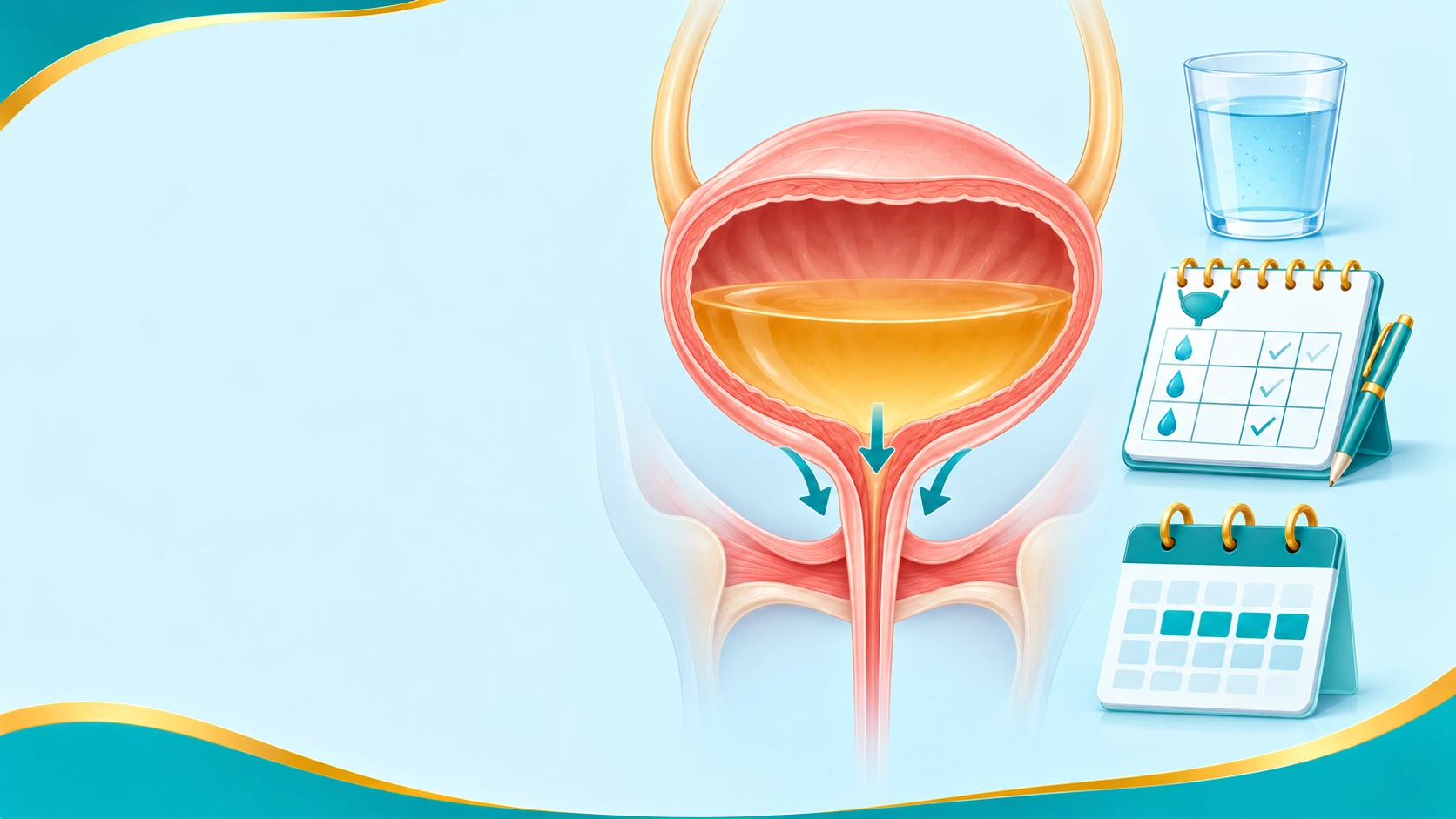
Stress incontinence means urine leaks when pressure inside the abdomen rises suddenly, such as with coughing, sneezing, laughing, jumping, running or lifting. “Stress” here refers to physical pressure on the bladder, not emotional stress. The urethra (the tube that carries urine out) is normally kept shut by its muscle and by the support of the pelvic floor. When that support weakens, the urethra opens briefly under pressure.
- Pregnancy and vaginal childbirth, which stretch the pelvic floor muscles and nerves
- Menopause, when lower estrogen thins the tissues around the urethra
- Extra weight, which adds pressure on the bladder
- A long-term cough from asthma, smoking or lung conditions
- Chronic constipation and straining
- Heavy lifting at work or at home
- Previous pelvic surgery or family history
- High-impact exercise in women with already weak support
| Type |
What happens |
Typical clue |
| Stress incontinence |
Leaks with cough, sneeze, laugh, lift |
Small amounts, with effort |
| Urge incontinence (overactive bladder) |
Sudden strong urge, and leaks before reaching the toilet |
Cannot hold on, often frequent |
| Mixed incontinence |
A combination of both |
Both patterns |
| Overflow incontinence |
The bladder does not empty fully and dribbles |
Weak stream, constant dribbling |
Frequent passing of urine is a related but different problem, which is explained in our guide to frequent urination causes.
See a doctor soon if leakage comes with burning or pain when passing urine, blood in the urine, fever, difficulty emptying the bladder, constant dribbling, leakage with new back pain, leg weakness or numbness, or sudden onset after surgery or injury. A urine infection or another condition may be present.
- History: when it happens, how much, the number of pregnancies and deliveries, medicines, caffeine, fluid habits
- Bladder diary: for 3 days, note what you drink, when you pass urine, how much and when you leak
- Examination: a pelvic exam to check for prolapse (bulge) and muscle strength, and a cough test with a comfortably full bladder
- Urine test: to rule out infection
- Ultrasound of the bladder: to check that it empties completely
- Urodynamic tests: only in selected cases, such as before surgery
- Lose 5 to 10 percent of body weight if overweight, which can reduce leaks
- Treat a long-standing cough and constipation
- Cut down on caffeine, fizzy drinks and alcohol if they worsen urgency
- Do not restrict fluids, because concentrated urine irritates the bladder. Spread drinks through the day
- Stop smoking
- Time toilet visits sensibly, and avoid going “just in case” too often
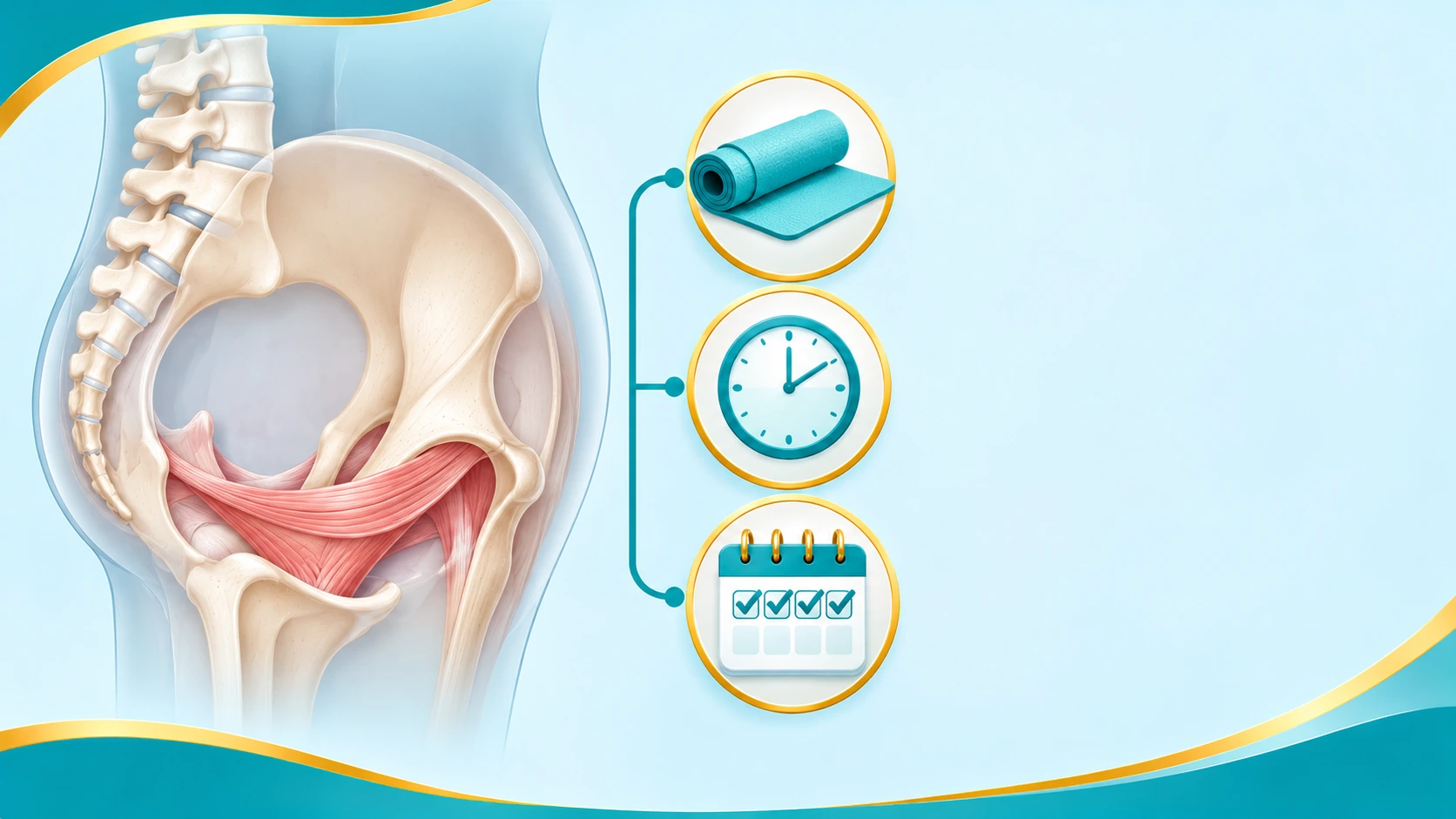
This is the first-line treatment for stress incontinence. Done correctly and regularly for at least 12 weeks, it helps many women. A physiotherapist or doctor can check technique. See our step-by-step guide to pelvic floor exercises.
- Vaginal estrogen (creams, tablets or rings) for postmenopausal women with thinning tissue, as prescribed
- Medicines for urgency if an overactive bladder is part of the problem. These do not treat pure stress leakage
- A pessary, a soft ring placed in the vagina to support the urethra or a prolapse. It is removable and fitted by a doctor
- Absorbent pads for confidence while treatment takes effect, with good skin care
If symptoms remain troublesome, a gynecologist or urologist may discuss:
- Urethral bulking injections, which add volume around the urethra
- Mid-urethral sling surgery, where a small tape supports the urethra. It is the most studied surgical option for stress incontinence
- Other support procedures, depending on the case
Laser and radiofrequency treatments are being studied for urinary leakage and vaginal tissue changes, but the evidence for them is still limited. Ask your doctor to explain current evidence, expected benefits and risks before choosing any procedure.
- A 3-day bladder diary
- A list of medicines and any previous surgery
- Your questions and what bothers you most
- Previous urine or scan reports
- Empty your bladder before exercise or a long meeting
- Wear dark clothing and carry a spare pad and underwear
- Use a cough-time squeeze (the Knack) before lifting or sneezing
- Keep the skin clean and dry to avoid irritation
The Gynecology and Cosmetic Gynecology teams at Genesiss Hospital, BTM Layout, assess urinary leakage and pelvic floor concerns privately and discuss options that suit each woman. We are at 17, 100 Feet Ring Road, near Jayadeva Metro, BHBCS Layout, BTM 2nd Stage, Bengaluru 560076. Women visit from Jayanagar, JP Nagar, Koramangala and HSR Layout. See our Obstetrics and Gynecology department, the Cosmetic Gynecology department or the bladder disorders page.
Why do I leak urine when I cough or sneeze?
Coughing and sneezing raise the pressure in your abdomen. If the pelvic floor muscles and urethral support are weak, the urethra cannot stay closed, and a little urine leaks. Childbirth, menopause, extra weight and a chronic cough are common reasons.
Is leaking urine after delivery normal?
It is common, especially in the first weeks, but it is not something to ignore. Many women improve with pelvic floor exercises. If leaking continues beyond about 3 months, ask your doctor.
Can stress incontinence be treated without surgery?
Yes. Pelvic floor training, weight loss, treating cough and constipation, vaginal estrogen after menopause and a pessary can help many women. Surgery is considered when these are not enough.
Which exercises help with leaking urine?
Pelvic floor muscle exercises, done correctly and regularly for at least 12 weeks. A physiotherapist can check you are using the right muscles.
Should I drink less water to reduce leaks?
No. Cutting fluids makes urine concentrated, which can irritate the bladder and cause infections. Drink normally and spread your fluids through the day.
When should I see a doctor for leaking urine?
If it affects your daily life, if it is new, if it comes with pain, burning, blood in urine or difficulty emptying the bladder, or if self-help for 3 months has not helped.
Does leaking urine mean I have a prolapse?
Not necessarily, but they can occur together. A pelvic exam helps check for prolapse, which may feel like a bulge or heaviness in the vagina.
17, 100 Feet Ring Road, near Jayadeva Metro, BHBCS Layout, BTM 2nd Stage, BTM Layout, Bengaluru, Karnataka 560076.
Phone: +91 98867 77592 | Email: contact@genesisshospital.com
Emergency and trauma care are available round the clock.
Book an appointment | Contact us | Our doctors
This article is for general health information. It is not a substitute for examination, diagnosis or treatment by a qualified doctor. If you think you may have an emergency, go to the nearest emergency department or call the hospital.