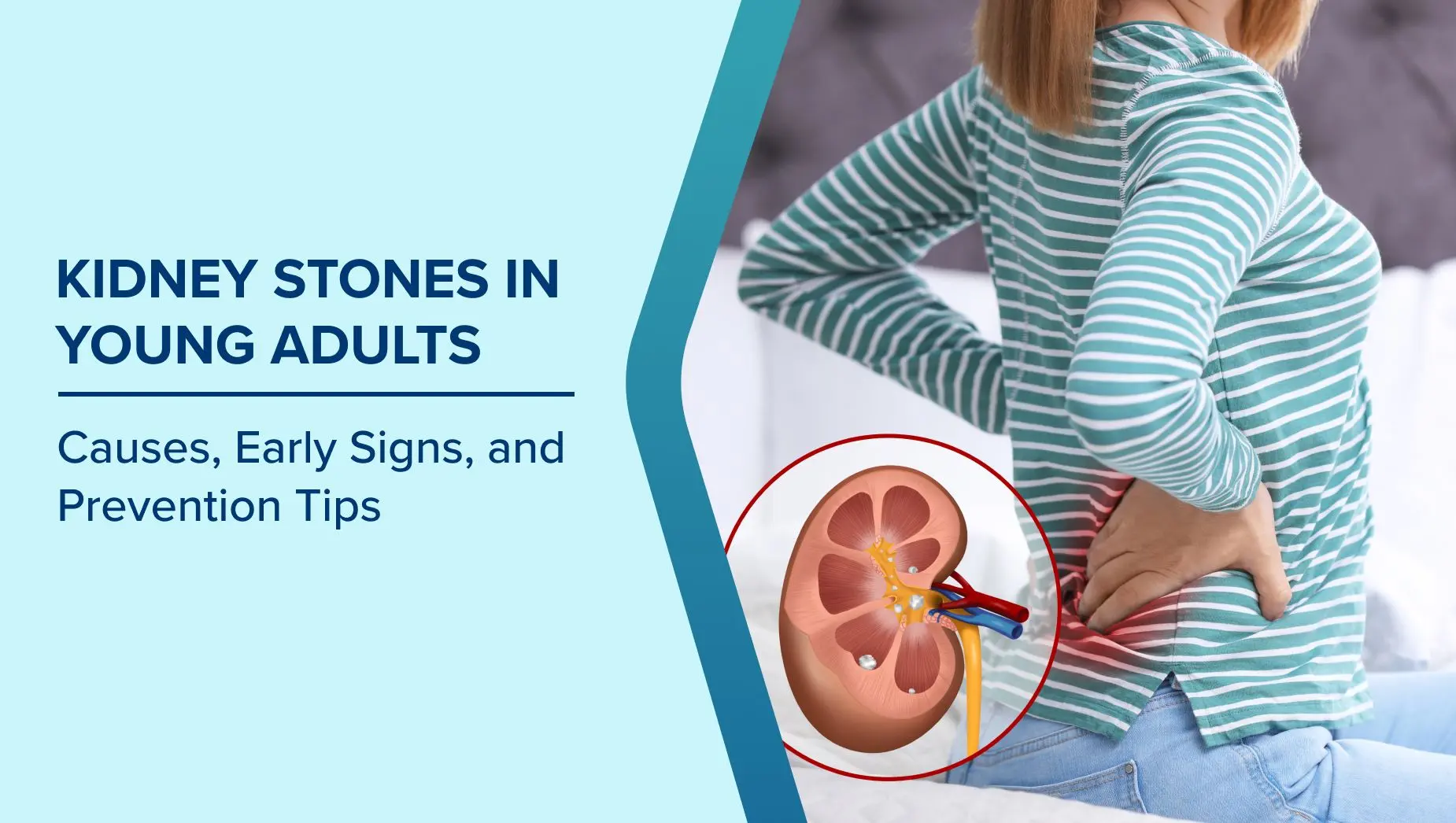
At Genesiss Multispeciality Hospital, our expert Urology team treats a rising number of young adults experiencing kidney stones. Changes in diet, lifestyle, hydration, and stress levels have made kidney stones more common in people aged 18–35. Understanding the causes, early signs, and preventive strategies helps protect long-term kidney health and reduces the chances of recurrence.
Kidney stones are hard deposits of minerals and salts formed inside the kidneys. They can range from tiny crystals to large stones that block the urinary tract, causing severe pain.
In young adults, factors like poor hydration, processed foods, excess protein, and sedentary habits contribute significantly to stone formation.
-
Poor Dietary Habits
High salt intake, junk food, and sugary beverages increase mineral buildup in urine.
-
Inadequate Hydration
Drinking less water makes urine concentrated, promoting crystal formation.
-
High Animal Protein Diet
Excess chicken, meat, eggs increase uric acid levels, a major stone-forming component.
-
Sedentary Lifestyle
Lack of exercise affects metabolism and calcium balance in urine.
-
Hormonal or Metabolic Disorders
Conditions affecting calcium, oxalate, or uric acid levels increase stone risk.
-
Family History
Genetic predisposition plays a significant role in recurrent stone formation.
- Severe, cramping pain in the back, side, or lower abdomen
- Blood in urine (pink, red, or dark brown)
- Painful urination or burning sensation
- Frequent urination / sudden urge to urinate
- Nausea and vomiting
- Cloudy or foul-smelling urine
Even mild symptoms should be evaluated early to avoid complications.
-
Stay Well Hydrated
Drink at least 8–10 glasses of water daily to keep urine dilute.
-
Limit Salt Intake
Avoid chips, packaged foods, pickles, bakery items, and extra table salt.
-
Balanced Diet
Eat fruits, vegetables, whole grains; reduce excess chicken, meat, and eggs.
-
Maintain Healthy Weight
Exercise regularly, stay active, and eat balanced meals.
-
Balance Calcium & Oxalate Foods
Consume oxalate-rich foods like spinach and nuts moderately and pair them with calcium-rich foods.
- Exercise regularly
- Get 7–8 hours of sleep
- Manage stress levels
- Avoid unnecessary supplements (e.g., high-dose Vitamin C)
- Avoid too much caffeine and soda
Seek medical help immediately if you experience:
- Severe or persistent flank pain
- Blood in urine
- Fever or chills (possible infection)
- Vomiting that prevents hydration
- Repeated kidney stone episodes
Early diagnosis ensures quicker relief and prevents kidney damage.
Kidney stones are becoming increasingly common among young adults, but with proper awareness and healthy lifestyle choices, the risk can be greatly reduced. Recognizing early symptoms and seeking timely care helps prevent recurrence and protects kidney health long-term.
Can dehydration alone cause kidney stones?
Yes. Low water intake is one of the most common causes of stone formation, especially in young adults.
Do sugary drinks increase kidney stone risk?
Yes. Soft drinks, sodas, and energy drinks increase mineral concentration in urine.
Does family history guarantee kidney stones?
No. It increases risk, but proper lifestyle and hydration can prevent stones.
Can exercise prevent kidney stones?
Regular activity reduces risk by improving metabolism, but prevention also depends on diet and hydration.
Which foods help reduce stone risk?
Citrus fruits, water-rich vegetables, whole grains, and foods with balanced calcium levels.