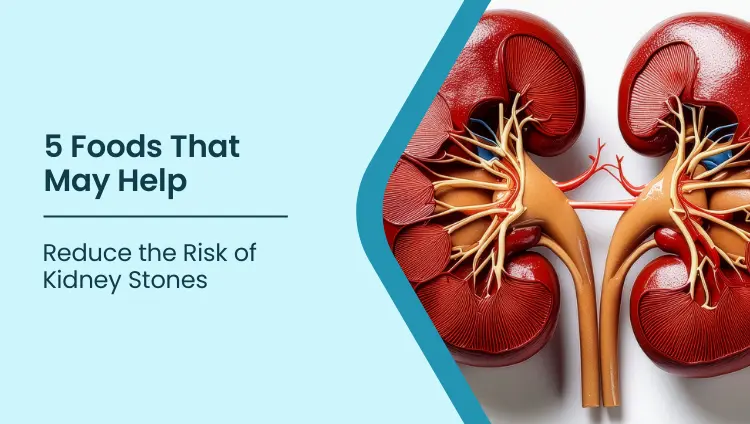
Kidney stones are hard mineral deposits that form inside the kidneys when certain substances in urine become concentrated. Diet plays an important role in both prevention and recurrence. While no food can guarantee complete protection, certain dietary choices may help reduce the risk of stone formation.
Many people assume kidney stones are purely genetic or unavoidable. In reality, hydration, mineral balance, and daily eating habits significantly influence stone risk. This article explains five foods that may help lower your chances of developing kidney stones, how they work inside the body, early warning signs of stones, common myths, and when medical evaluation becomes necessary.
Kidney stones develop when urine contains high levels of minerals such as calcium, oxalate, or uric acid.
Common contributing factors include:
- Low fluid intake, which concentrates urine and increases crystal formation
- High sodium diet, which can increase calcium in urine
- High oxalate intake in susceptible individuals, such as spinach and nuts
- Low citrate levels, because citrate helps prevent crystals from forming
Not all stones are the same. The most common type is calcium oxalate stones. Uric acid stones and other types can also occur. Stone formation depends on multiple factors including diet, hydration, genetics, and metabolic health.
Citrus fruits are rich in citrate, a natural substance that may help reduce stone formation.
How it may help:
- Citrate can bind with calcium and reduce crystal formation
- It may help reduce recurrence risk in people prone to calcium stones
Best way to consume:
- Fresh lemon water without added sugar
- Citrus intake in moderation based on tolerance and medical advice
Additional benefit:
- Encourages hydration when consumed regularly
It may seem surprising, but completely avoiding calcium is not recommended for most patients.
Why it may help:
- Dietary calcium can bind oxalate in the intestine and reduce oxalate absorption
Sources:
- Milk, curd, paneer in controlled portions
Important note:
- Excess calcium supplements without medical advice may increase risk
- Balance matters more than restriction
Potassium supports mineral balance and may support healthy urinary chemistry.
Examples:
- Banana
- Cucumber
- Pumpkin
- Coconut water in moderation
Benefits:
- Supports hydration and urinary balance
- Helps maintain normal blood pressure
A plant forward diet often supports overall kidney stone prevention when tailored to your stone type.
Fiber supports metabolic health and may indirectly influence urinary mineral balance.
Examples:
How it may help:
- Supports stable metabolic health
- May indirectly reduce urinary calcium levels in some individuals
Water is not technically a food, but it remains the most critical preventive factor.
Target:
- Many adults benefit from around 2.5 to 3 liters daily unless medically restricted
Goal:
Why it matters:
- Dilutes minerals that form stones
- Reduces the chance of crystals sticking together
Even the best diet cannot compensate for inadequate hydration.
Recognizing symptoms early can prevent complications.
- Sharp pain in the lower back or side
- Pain radiating to the groin
- Burning sensation while urinating
- Blood in urine
- Nausea or vomiting
- Frequent urge to urinate
Small stones may pass naturally, but persistent symptoms require evaluation.
Myth 1: Avoid all calcium to prevent stones.
Fact: Normal dietary calcium is often protective for many people.
Myth 2: Only junk food causes stones.
Fact: Even healthy foods high in oxalate can contribute in susceptible individuals.
Myth 3: If stones pass once, they will not return.
Fact: Recurrence is common without prevention habits.
Myth 4: Drinking less water reduces urination frequency and helps.
Fact: Low hydration increases stone risk significantly.
Consult a doctor if you experience:
- Severe back or flank pain
- Blood in urine
- Persistent vomiting
- Fever with urinary symptoms
- Recurrent stone episodes
- Difficulty passing urine
Early evaluation helps determine stone size, stone type, and the right management plan.
You may explore stone management options here:
https://genesisshospital.com/treatments/kidney-stone-treatment
Assessment may include:
- Urine analysis
- Blood tests
- Ultrasound
- CT scan when required
- Metabolic evaluation in recurrent cases
Knowing the stone type helps guide dietary advice.
Diet plays a major role, but it is not always sufficient.
Some patients may require:
- Medication to control uric acid
- Treatment for infection
- Management of metabolic conditions
- Stone removal procedures when indicated
Preventive diet combined with medical supervision offers the best long term outcome.
Kidney stones are influenced by hydration, diet, and metabolic health. While no food guarantees prevention, citrus fruits, adequate dietary calcium, potassium rich vegetables, fiber, and proper hydration may help reduce risk.
Early awareness and dietary balance can lower recurrence chances. If symptoms appear, timely medical evaluation helps protect kidney function in the long term.
Can lemon water prevent kidney stones?
Lemon contains citrate, which may reduce stone formation risk. It can be helpful when combined with adequate hydration and medical guidance.
Should I stop eating calcium if I have kidney stones?
In most cases, normal dietary calcium should not be eliminated. However, calcium supplements should only be taken under medical advice.
How much water should I drink to prevent stones?
Most adults are advised to drink enough fluids to keep urine clear or pale yellow, often around 2.5 to 3 liters daily unless restricted.
Are kidney stones related to diet only?
No. Genetics, hydration, metabolic disorders, and infections also contribute.
Can kidney stones come back even with diet control?
Yes. Recurrence is possible, which is why regular monitoring and personalized dietary planning are important.
When is kidney stone pain an emergency?
Seek urgent care if pain is severe, accompanied by fever, vomiting, or difficulty passing urine.
Book your consultation at Genesiss Hospital today!