
Speciality Departments
Happy Patients
Expert Doctors
Emergency Care
Advanced Urology & Kidney Care
At Genesiss Hospital, we specialize in minimally invasive urological procedures. Our kidney care department is equipped with the latest diagnostic and surgical tools to ensure the best patient outcomes.
- ✓ Kidney Stone Laser Treatment (No Incisions)
- ✓ Prostate Care & Advanced Surgery
- ✓ Comprehensive Dialysis Services
"Our mission is to provide trusted, compassionate care using the latest medical breakthroughs."
Schedule Your Appointment
By submitting, you agree to our privacy policy.
Our Specialist
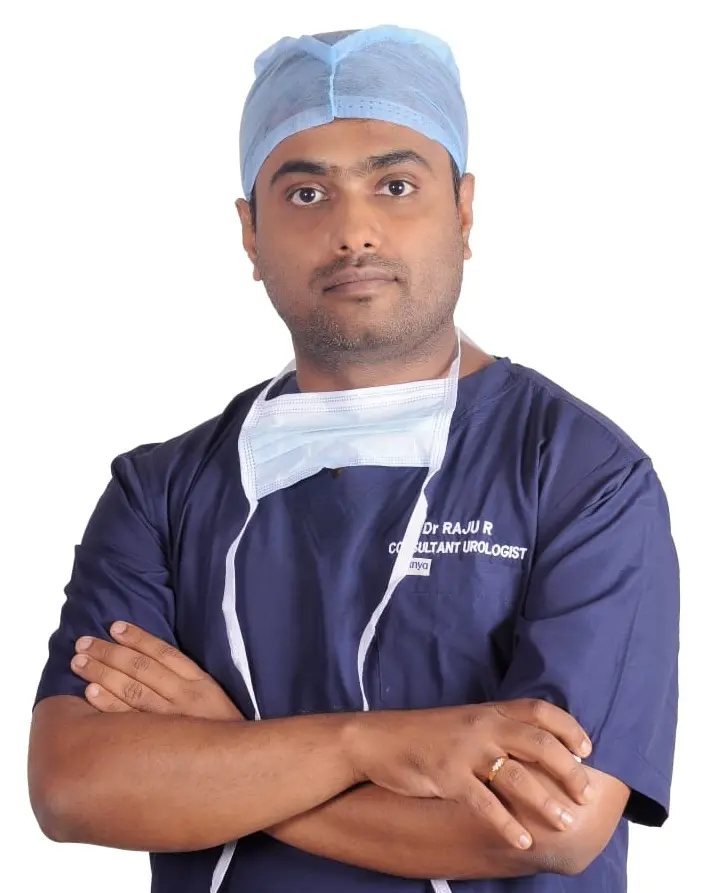
Dr. Raju
MBBS, MS, MCh (Urology) | Chief Consultant
Dr. Raju R is a highly experienced senior urologist in Bangalore with over 14+ years of expertise in advanced urology and andrology care. He has successfully performed 5000+ surgeries, specializing in kidney stone treatment, prostate care, and minimally invasive urological procedures. Known for his precision, patient-centric approach, and use of cutting-edge technology, Dr. Raju delivers safe, effective, and internationally aligned treatment outcomes.
Areas of Expertise
- Kidney Stone Treatment (ESWL, RIRS, PCNL)
- Laser Urology Procedures
- Prostate Treatment (BPH, TURP, Laser Surgery)
- Male Infertility & Andrology
- Urinary Tract Disorders
- Laparoscopic Urology Surgeries
Why Choose Dr. Raju R?
- 14+ Years of Experience in Urology.
- 5000+ Successful Surgeries.
- Expertise in Laser & Minimally Invasive Treatments.
- High Success Rate in Kidney Stone Removal
- Trusted Urologist in Bangalore
Advanced Technology & Treatment
Dr. Raju R is known for adopting the latest minimally invasive and laser technologies to ensure faster recovery and minimal pain. His expertise includes:
- • ESWL (Shock Wave Therapy): Non-surgical stone removal
- • RIRS (Laser Surgery): No-cut kidney stone treatment
- • PCNL: Advanced solution for large stones
- • Laser Prostate Surgery: Safe and effective treatment for enlarged prostate
His approach focuses on accurate diagnosis, personalized treatment planning, and faster patient recovery, making him one of the most trusted urologists in Bangalore.
Consult the Best Urologist in Bangalore
If you are experiencing kidney stones, urinary issues, or prostate problems, consult Dr. Raju R for advanced and effective treatment. Early diagnosis and the right care can prevent complications and ensure a quick recovery.Food can support healthy testosterone levels, but no single meal, seed, juice, or supplement can reliably fix low testosterone on its own. Testosterone is influenced by sleep, body weight, physical activity, stress, medical conditions, medicines, alcohol intake, and nutrition together.
A balanced diet helps the body get the protein, healthy fats, vitamins, and minerals needed for hormone health. But if you have ongoing low libido, erectile difficulties, reduced energy, loss of muscle strength, infertility concerns, or other persistent symptoms, diet should not replace a medical evaluation.
Start with a realistic goal
The internet is full of claims that one food can “boost testosterone overnight.” That is not how hormones work.
A better goal is to support the conditions in which the body can maintain healthy testosterone levels. This means eating consistently, avoiding extreme diets, staying physically active, getting enough sleep, managing weight and blood sugar, and addressing nutrient deficiencies when they are actually present.
For some men, improving lifestyle and metabolic health can make a meaningful difference. For others, low testosterone may be linked with a medical issue that needs tests and treatment.
Food can support hormone health. It should not be used to ignore symptoms that have been affecting your energy, sexual health, or fertility for months.
Why diet matters for testosterone
Your body needs enough energy and nutrients to make hormones normally. Very restrictive eating, rapid weight loss, poor sleep, excess alcohol, and a diet dominated by ultra-processed food can work against overall metabolic health.
A testosterone-supportive diet is not a special “men’s diet.” It is a balanced way of eating that includes:
- Adequate protein.
- Healthy dietary fats.
- Fibre-rich carbohydrates.
- Zinc, vitamin D, magnesium, and other essential nutrients.
- Fruits and vegetables.
- Enough fluids.
- Regular meals rather than long periods of under-eating followed by overeating.
Protein gives the body a foundation
Protein supports muscle repair, body composition, and recovery after exercise. It is not a direct testosterone medicine, but it is part of a balanced diet for men who want to improve strength, fitness, or weight management.
Useful protein options include:
- Eggs.
- Fish.
- Chicken.
- Lean meat in moderate portions.
- Paneer and curd.
- Dal, chana, rajma, and other legumes.
- Soy, tofu, and sprouts.
- Nuts and seeds as part of a meal or snack.
The amount of protein you need depends on your age, activity level, body weight, kidney health, and medical history. Men with kidney disease or other health conditions should ask their doctor or dietitian before following a high-protein diet.
Do not cut out healthy fats completely
Testosterone is a steroid hormone, and dietary fat is part of an overall healthy hormone-supporting diet. This does not mean eating fried food freely or following a very high-fat diet.
The aim is to include healthier sources of fat while limiting excess saturated and trans fats.
Good options include:
- Nuts such as almonds, walnuts, and peanuts.
- Seeds such as pumpkin seeds, sesame seeds, and sunflower seeds.
- Groundnuts and nut butters without excess sugar.
- Avocado where available.
- Olive oil, mustard oil, groundnut oil, or other cooking oils used in moderation.
- Fish, especially oily fish when part of your diet.
- Egg yolks as part of a balanced meal.
Avoiding all fats can make meals less satisfying and may lead to an overly restrictive pattern. The focus should be on quality and balance.
Zinc, magnesium, and vitamin D support normal hormone function
Zinc, magnesium, and vitamin D are often discussed in relation to testosterone because they are important for many body functions, including hormone health.
Foods that can help you meet these needs include:
- Zinc-rich foods: Eggs, meat, fish, shellfish where eaten, dairy, legumes, nuts, and seeds.
- Magnesium-rich foods: Green leafy vegetables, beans, lentils, nuts, seeds, bananas, and whole grains.
- Vitamin D sources: Sunlight exposure, egg yolks, fatty fish, and fortified foods where available.
Pumpkin seeds can be a useful snack because they contain protein, healthy fats, and minerals. But they are not a treatment for low testosterone. One food cannot correct a medical hormone deficiency.
Supplements should not be taken simply because they are marketed as testosterone boosters. A supplement may help if you are deficient in a nutrient, but unnecessary supplements can be expensive, ineffective, or harmful.
Build your meals around familiar Indian foods
A healthy testosterone-supportive diet does not need imported foods or complicated recipes. Regular Indian meals can provide what you need when they include protein, vegetables, whole grains, and healthy fats.
A practical day may look like this:
- Breakfast: Eggs with vegetables, dosa with sambar, idli with sambar, oats with nuts and curd, or a paneer-based meal.
- Lunch: Rice or chapati with dal, vegetables, curd, and a protein source such as egg, fish, chicken, paneer, or chana.
- Evening snack: Fruit with nuts, roasted chana, curd, sprouts, or buttermilk.
- Dinner: Chapati or millet with vegetables and a protein source, keeping portions comfortable rather than overeating late at night.
You do not need to stop eating rice or chapati to support testosterone. The larger pattern matters more than one carbohydrate. Portion size, protein intake, activity level, and overall body weight matter far more.
What foods and habits may work against hormone health?
No food needs to be labelled completely forbidden. But a regular pattern of ultra-processed snacks, sugary drinks, alcohol, and crash dieting can make weight management and metabolic health more difficult.
Try to reduce:
- Frequent sugary drinks.
- Packaged snacks that replace full meals.
- Excess alcohol.
- Highly processed meats and frequent fast food.
- Repeated late-night overeating.
- Very restrictive diets that leave you tired, hungry, and unable to maintain them.
- Unregulated powders, pills, or “herbal testosterone boosters.”
The goal is not perfection. It is to make better choices more often.
Does losing weight increase testosterone?
For men carrying excess body fat, gradual weight loss and improved metabolic health may support healthier testosterone levels. This is not a reason to follow extreme fasting, crash diets, or unsafe weight-loss supplements.
A sustainable approach usually includes regular meals, strength training, walking or other movement, better sleep, and reducing highly processed food. The focus should be on improving overall health, not chasing a number on a supplement advertisement.
Sleep and exercise matter as much as food
A nutritious diet works best when the rest of your routine supports it.
Poor sleep, very high stress, inactivity, and excess body weight can all affect hormone balance. Resistance training, walking, cycling, swimming, or another form of regular movement can improve strength, body composition, and confidence.
You do not need to train like an athlete. A consistent routine is more useful than doing too much for one week and stopping.
Sleep is equally important. If you are sleeping poorly, snoring heavily, waking exhausted, or feeling sleepy during the day, talk to a doctor. Sleep problems can affect energy, mood, sexual health, and metabolic health.
Can diet improve erectile dysfunction?
Diet can support blood vessel health, weight management, and diabetes control, all of which can matter for erections. But erectile dysfunction is not always caused by testosterone.
Stress, anxiety, diabetes, high blood pressure, medication side effects, smoking, heart and blood-vessel health, sleep issues, and relationship concerns can also play a role.
If erection difficulties are persistent, it is worth discussing them openly with a urologist rather than relying on foods, powders, or online medicines.
If you are trying to conceive, be careful with testosterone products
This is important. Testosterone injections, gels, tablets, and many unregulated “testosterone boosters” should not be started without medical advice.
External testosterone can reduce the body’s own sperm production. For men trying to conceive, starting testosterone on your own can make fertility concerns worse rather than better.
If low testosterone symptoms and fertility concerns are happening together, male infertility assessment should be discussed before taking any hormone product or supplement.
When low testosterone needs more than diet changes
Low testosterone cannot be diagnosed from tiredness alone. Fatigue, lower mood, reduced exercise tolerance, and weight gain can happen for many reasons.
A doctor may consider testing when symptoms such as these are persistent:
- Reduced sexual desire.
- Fewer morning erections or ongoing erection difficulties.
- Unexplained reduction in strength or muscle mass.
- Low energy that does not improve with rest.
- Fertility concerns.
- Breast enlargement or testicular changes.
- Low mood alongside other sexual or physical symptoms.
Diagnosis should not be based on one random blood test. Your doctor may advise morning blood tests and look at symptoms, medical history, medicines, sleep, diabetes, thyroid health, and other factors before deciding what the results mean.
Guidance from Dr Raju R
Dr Raju R is a Consultant Urologist and Andrologist at Genesiss Hospital in BTM Layout, Bangalore. He evaluates male fertility concerns, sexual health, urinary symptoms, and conditions that may affect testosterone or overall male reproductive health.
A proper discussion can help separate a lifestyle issue from a hormone concern that needs testing. The Urology and Kidney Care department can guide the next step based on your symptoms, health history, and fertility goals.
Frequently Asked Questions
Which food boosts testosterone the most?
No single food can reliably boost testosterone on its own. A balanced diet with adequate protein, healthy fats, vegetables, fruits, whole grains, and nutrient-rich foods supports overall hormone health better than any one “testosterone food.”
Do eggs increase testosterone?
Eggs provide protein, healthy fats, and several nutrients that can be part of a balanced diet. They are not a treatment for low testosterone, but they can fit well into a diet that supports overall health.
Can I boost testosterone naturally in one week?
A meaningful change in hormone health does not usually happen in one week. Better sleep, regular activity, balanced meals, reducing alcohol, and improving weight management can help over time. Persistent symptoms need medical evaluation.
Do pumpkin seeds boost testosterone?
Pumpkin seeds contain zinc, magnesium, protein, and healthy fats. They can be a useful part of a nutritious diet, especially if your diet is lacking these nutrients. They do not replace treatment for medically low testosterone.
Can diet fix low testosterone?
Diet can support healthy testosterone levels, especially when low levels are linked with poor nutrition, excess body weight, or metabolic health. But diet alone may not correct low testosterone caused by a medical condition, medicine, sleep disorder, or hormone problem.
Should I take testosterone supplements if I feel tired?
No. Tiredness alone does not confirm low testosterone. Avoid starting testosterone products or unregulated boosters without medical advice. This is especially important if you are trying to conceive because external testosterone can reduce sperm production.
Does masturbation lower testosterone?
No. Masturbation does not cause a lasting fall in testosterone. Persistent low libido, erection difficulties, or fatigue should be discussed with a doctor rather than blamed on normal sexual activity.
If diet changes have not helped, or you have persistent symptoms affecting sexual health, energy, or fertility, you can request an appointment with Dr Raju R.
Your Path to Recovery
Consultation
Detailed discussion with our expert specialists.
Diagnosis
State-of-the-art testing for precise results.
Treatment
Advanced surgery or medical management.
Recovery
Personalized follow-up and rehab care.
Patient Success Stories
See what our patients have to say about their journey with us
Frequently Asked Questions
How do I book an appointment?

Do you accept medical insurance?
What are the visiting hours for inpatients?
Need medical care?
Book your appointment with our expert doctors in just a few clicks.

Why Choose Genesiss Hospital?
World-class healthcare tailored to your needs.
Expert Care
Led by the renowned Dr. Raju and his specialist team.
Advanced Tech
Latest diagnostic tools and surgical equipment.
5000+ Happy Patients
Providing compassionate care for over a decade.
24/7 Support
Emergency response and trauma care available round-the-clock.
Book an Appointment
Fill in the details below and we'll confirm your slot shortly.