Speciality Departments
Happy Patients
Expert Doctors
Emergency Care
Advanced Urology & Kidney Care
At Genesiss Hospital, we specialize in minimally invasive urological procedures. Our kidney care department is equipped with the latest diagnostic and surgical tools to ensure the best patient outcomes.
- ✓ Kidney Stone Laser Treatment (No Incisions)
- ✓ Prostate Care & Advanced Surgery
- ✓ Comprehensive Dialysis Services
"Our mission is to provide trusted, compassionate care using the latest medical breakthroughs."
Schedule Your Appointment
By submitting, you agree to our privacy policy.
Our Specialist
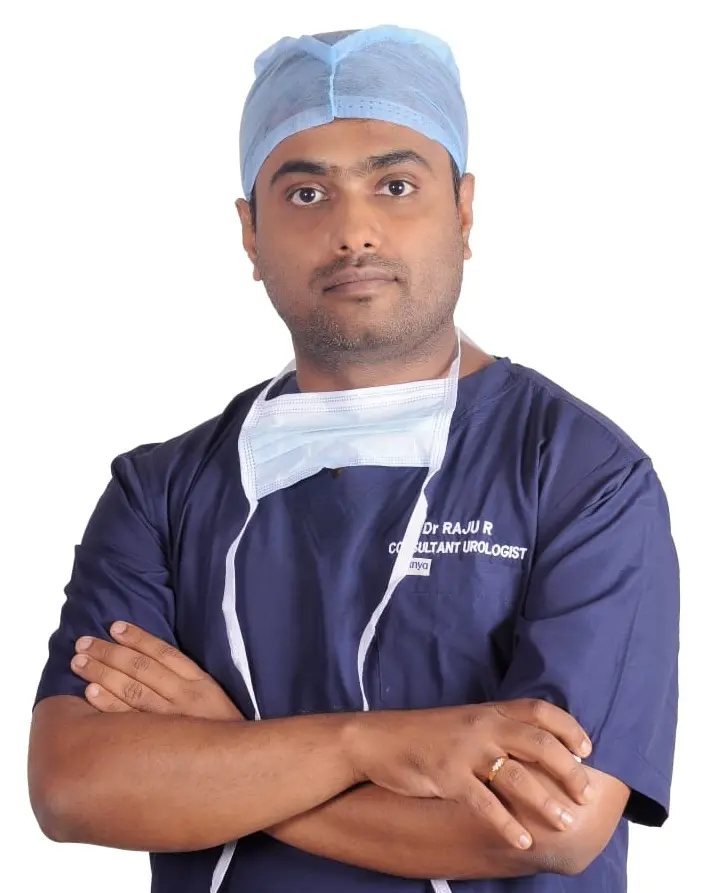
Dr. Raju
MBBS, MS, MCh (Urology) | Chief Consultant
Dr. Raju R is a highly experienced senior urologist in Bangalore with over 14+ years of expertise in advanced urology and andrology care. He has successfully performed 5000+ surgeries, specializing in kidney stone treatment, prostate care, and minimally invasive urological procedures. Known for his precision, patient-centric approach, and use of cutting-edge technology, Dr. Raju delivers safe, effective, and internationally aligned treatment outcomes.
Areas of Expertise
- Kidney Stone Treatment (ESWL, RIRS, PCNL)
- Laser Urology Procedures
- Prostate Treatment (BPH, TURP, Laser Surgery)
- Male Infertility & Andrology
- Urinary Tract Disorders
- Laparoscopic Urology Surgeries
Why Choose Dr. Raju R?
- 14+ Years of Experience in Urology.
- 5000+ Successful Surgeries.
- Expertise in Laser & Minimally Invasive Treatments.
- High Success Rate in Kidney Stone Removal
- Trusted Urologist in Bangalore
Advanced Technology & Treatment
Dr. Raju R is known for adopting the latest minimally invasive and laser technologies to ensure faster recovery and minimal pain. His expertise includes:
- • ESWL (Shock Wave Therapy): Non-surgical stone removal
- • RIRS (Laser Surgery): No-cut kidney stone treatment
- • PCNL: Advanced solution for large stones
- • Laser Prostate Surgery: Safe and effective treatment for enlarged prostate
His approach focuses on accurate diagnosis, personalized treatment planning, and faster patient recovery, making him one of the most trusted urologists in Bangalore.
Consult the Best Urologist in Bangalore
If you are experiencing kidney stones, urinary issues, or prostate problems, consult Dr. Raju R for advanced and effective treatment. Early diagnosis and the right care can prevent complications and ensure a quick recovery.C-section recovery takes time because your body is healing after childbirth and major abdominal surgery at the same time. In the first few days, pain around the incision, tiredness, bleeding, and difficulty moving comfortably are common. Over the next few weeks, walking gets easier, the wound begins to settle, and daily activities slowly feel more manageable.
There is no single recovery timeline that fits every mother. Your recovery can be affected by whether the C-section was planned or emergency, blood loss, infection, pain control, breastfeeding, sleep, your general health, and the support you have at home. The aim is not to “bounce back” quickly. It is to heal safely.
What C-section recovery really involves
A C-section wound is visible on the outside, but healing is happening deeper inside as well. The skin may start to look better within a few weeks, while the abdominal wall and uterus continue healing for longer.
This is why feeling less pain does not always mean that you are ready for heavy work, travel, exercise, or lifting. Your body needs time even when the scar looks dry and settled.
A C-section recovery is not only about the incision. It is also about rest, movement, pain control, bleeding, feeding, sleep, and emotional adjustment after birth.
The first 24 to 48 hours after a C-section
The first day or two can feel demanding. You may have pain around the incision, cramps as the uterus contracts, tiredness, swelling, and some difficulty getting out of bed.
Your care team will usually encourage gentle movement when it is safe. This may feel uncomfortable, but moving carefully helps circulation and can reduce stiffness.
In these early hours, focus on:
- Taking pain medicines exactly as prescribed.
- Asking for help when getting in and out of bed.
- Walking short distances when your doctor or nurse advises it.
- Drinking fluids as tolerated.
- Eating small, nourishing meals once you are comfortable.
- Letting family members handle non-essential tasks.
- Learning feeding positions that do not put pressure on the incision.
The side-lying position or football hold may feel more comfortable for breastfeeding after a C-section. Ask for help if feeding is painful or you are struggling to find a position that protects the wound.
Days three to seven: when many mothers feel the strain
For many mothers, the hardest part is not the operation itself. It is managing pain, feeding a newborn, lack of sleep, bleeding, and limited movement at the same time.
The incision may feel tight, itchy, numb, or sore. You may notice that coughing, laughing, standing up, and using the toilet make the lower abdomen feel uncomfortable. Supporting the abdomen gently with a pillow when you cough or move can help.
You may also have vaginal bleeding after a C-section. This is called lochia and can happen after any type of birth. It should gradually reduce over time. If bleeding becomes heavier instead of lighter, has a bad smell, or comes with fever or worsening pain, contact your doctor.
The first two weeks at home
The first two weeks are usually about recovery, not productivity. You may be able to walk around the house, take a shower if your doctor has advised it is safe, and care for your baby with support. But your body is still healing.
Try to keep your day simple:
- Rest whenever the baby rests, as much as possible.
- Walk gently for short periods rather than staying in bed all day.
- Keep water, snacks, medicines, and baby essentials close to where you rest.
- Avoid sudden twisting, bending, or rushing up and down stairs.
- Do not lift anything heavier than your baby unless your doctor has told you otherwise.
- Ask someone else to handle groceries, buckets, laundry, vacuuming, and heavy household work.
- Wear loose clothing that does not rub against the incision.
If you need to use stairs, do it slowly and only as needed. The question is not whether stairs are “allowed” on one exact day. It is whether you can climb safely without sharp pain, dizziness, breathlessness, or strain. Repeated stair climbing should be avoided until you are moving more comfortably and have been advised it is safe.
Weeks three to six: feeling better does not mean fully healed
By this stage, many mothers notice that moving around is easier. The incision may feel less painful, and daily routines may start returning. But tiredness can still be significant, especially if sleep is disrupted or breastfeeding is demanding.
You may still feel pulling, numbness, tingling, or occasional discomfort around the scar. These sensations can happen as nerves and tissues heal. The scar may also look darker or feel firm at first.
Avoid starting abdominal workouts, running, gym sessions, or heavy lifting just because the pain has reduced. Your follow-up visit is the right time to ask about exercise, driving, travel, sex, scar care, and returning to work.
How do you know if a C-section is healing well inside?
You cannot check internal healing by pressing the abdomen, looking at the scar, or counting the number of days since surgery.
What you can observe is whether recovery is gradually moving in the right direction. Pain should generally become easier to manage. Walking should become more comfortable. The wound should look cleaner and less tender, not increasingly red or swollen.
A scar that looks fine on the outside does not mean all deeper layers have completed healing. This is why following your doctor’s activity advice matters even when you are feeling better.
Contact your doctor if you notice increasing pain after it had started improving, wound separation, redness spreading around the incision, swelling, pus-like discharge, or fever.
What should you eat after a C-section?
There is no special drink, powder, or one food that heals a C-section wound quickly. Your body needs regular nourishment, fluids, protein, iron, and fibre to recover from surgery and childbirth.
A practical Indian post-C-section diet can include:
- Dal, sambar, rajma, chana, sprouts, eggs, fish, chicken, paneer, tofu, or curd for protein.
- Green leafy vegetables, beans, fruits, dates, jaggery in moderation, and iron-rich foods if advised by your doctor.
- Rice, chapati, ragi, millets, oats, idli, dosa, or other familiar carbohydrates for energy.
- Vegetables, fruits, whole grains, and fluids to reduce constipation.
- Milk, curd, buttermilk, or other foods you tolerate well.
- Water, soups, coconut water, or simple home-made drinks to support hydration.
Chapati is not automatically harmful after a C-section. If you digest it comfortably, it can be part of a balanced meal with dal, vegetables, curd, or another protein source.
Some families advise mothers to avoid many foods after surgery. Unless you have a specific allergy, diabetes, high blood pressure, thyroid concern, digestive issue, or doctor-directed restriction, the focus should be on balanced meals rather than fear-based food rules.
What should you avoid after a C-section?
In the early recovery period, avoid activities that place unnecessary strain on the abdomen or increase the risk of infection.
This usually includes:
- Lifting heavy objects.
- Intense exercise, running, or abdominal workouts.
- Scrubbing the incision.
- Soaking in a bathtub, swimming pool, or hot tub until your doctor says it is safe.
- Applying creams, oils, powders, or home remedies directly on the incision without medical advice.
- Wearing clothing that constantly rubs or irritates the wound.
- Driving before you can sit comfortably, move freely, and safely respond in an emergency.
- Sexual activity or using tampons until you have been cleared at your postnatal review.
Do not start scar massage until the wound has fully closed and your doctor has advised that it is appropriate.
What is the 5-5-5 rule after a C-section?
The 5-5-5 rule is often shared online as five days in bed, five days on the bed, and five days around the bed. It can be a gentle reminder to slow down after birth, but it is not a medical recovery plan.
Complete bed rest is not right for everyone after a C-section. Gentle movement is often important once your doctor says it is safe. The goal is to balance rest with gradual activity, not to follow a fixed internet rule.
How should you sleep after a C-section?
Many mothers find it easier to sleep on their back with a pillow under the knees or on their side with pillows for support. Getting out of bed may feel easier if you first roll onto your side, lower your legs, and then use your arms to push yourself up slowly.
Keep a pillow close to support the abdomen when you cough, laugh, or change position.
If you are feeding at night, make sure the baby is placed back in a safe separate sleep space after feeding. Avoid falling asleep with the baby on your chest or in an unsafe bed-sharing position because you are exhausted or taking pain medication.
Is a second C-section more painful?
A second C-section is not always more painful. Some women find recovery easier because they know what to expect and have better support in place. Others may have more discomfort because every pregnancy, surgery, and body responds differently.
Previous scar tissue, the reason for the C-section, the length of surgery, pain management, and your overall health can all influence recovery. Your experience from a first C-section is useful to discuss with your obstetrician, but it does not predict every detail of the next one.
When should you seek urgent medical care?
Do not wait for a routine follow-up if you have:
- Fever or chills.
- Increasing redness, swelling, warmth, or discharge from the incision.
- Worsening pain that is not controlled by prescribed medicine.
- Heavy vaginal bleeding or bleeding that suddenly increases.
- Foul-smelling vaginal discharge.
- Severe headache, blurred vision, chest pain, or breathlessness.
- Painful swelling or redness in one leg.
- Repeated vomiting or inability to drink fluids.
- Feeling faint, very weak, confused, or unusually unwell.
- Persistent low mood, panic, or thoughts of harming yourself or your baby.
These symptoms do not always mean a serious complication, but they need timely medical assessment.
Support from Dr Divya J G
Before you leave the hospital, ask your maternity team about wound care, medicines, breastfeeding positions, activity limits, and the date of your follow-up. It is easier to recover when you know what is expected and who to contact if something changes.
Dr Divya J G is an Obstetrician and Gynaecologist, IVF Specialist, and Laparoscopic Surgeon at Genesiss Hospital in BTM Layout, Bangalore. She provides pregnancy care, delivery planning, and postnatal guidance based on each mother’s recovery needs.
If you have concerns about healing, bleeding, pain, or returning to normal activity after delivery, the Obstetrics and Gynaecology team can guide the right next step.
Frequently Asked Questions
How long does a C-section take to heal inside?
The incision may start looking better within a few weeks, but deeper tissue healing takes longer. You cannot judge internal healing by the appearance of the scar alone. Follow your doctor’s advice about lifting, exercise, travel, and returning to routine activities.
What can I drink to heal my C-section wound faster?
There is no special drink that heals a C-section wound instantly. Water, soups, milk, buttermilk, coconut water, and other fluids you tolerate well can support hydration. A balanced diet with protein, iron, fibre, and regular meals is more important than any one drink.
What should I avoid immediately after a C-section?
Avoid heavy lifting, strenuous activity, rubbing the incision, soaking in water before the wound has healed, and applying unadvised products to the scar. Take medicines as prescribed and ask for help with tasks that strain the abdomen.
Can I eat chapati after a C-section delivery?
Yes, chapati can be part of a balanced post-C-section diet if you digest it comfortably. Pair it with protein such as dal, paneer, eggs, fish, or chicken, along with vegetables and fluids.
What are the hardest days of C-section recovery?
Many mothers find the first few days and the first week the most challenging because of pain, limited movement, bleeding, feeding, and lack of sleep. Recovery varies, and worsening pain or feeling unwell should be discussed with a doctor.
How should I sleep after a C-section?
Sleeping on your back with knee support or on your side with pillows may feel more comfortable. Move slowly when getting out of bed and use a pillow to support the incision when coughing or changing position.
Can I climb stairs two weeks after a C-section?
Some women can use stairs carefully when needed, but repeated stair climbing should be avoided until movement feels comfortable and your doctor has cleared you for more activity. Stop if you have sharp pain, dizziness, or strain.
C-section recovery is easier when you allow yourself time, accept help, and ask questions before a small concern becomes a bigger one. If you need postnatal guidance from Dr Divya J G, you can request a consultation.
Your Path to Recovery
Consultation
Detailed discussion with our expert specialists.
Diagnosis
State-of-the-art testing for precise results.
Treatment
Advanced surgery or medical management.
Recovery
Personalized follow-up and rehab care.
Patient Success Stories
See what our patients have to say about their journey with us
Frequently Asked Questions
How do I book an appointment?

Do you accept medical insurance?
What are the visiting hours for inpatients?
Need medical care?
Book your appointment with our expert doctors in just a few clicks.

Why Choose Genesiss Hospital?
World-class healthcare tailored to your needs.
Expert Care
Led by the renowned Dr. Raju and his specialist team.
Advanced Tech
Latest diagnostic tools and surgical equipment.
5000+ Happy Patients
Providing compassionate care for over a decade.
24/7 Support
Emergency response and trauma care available round-the-clock.
Book an Appointment
Fill in the details below and we'll confirm your slot shortly.