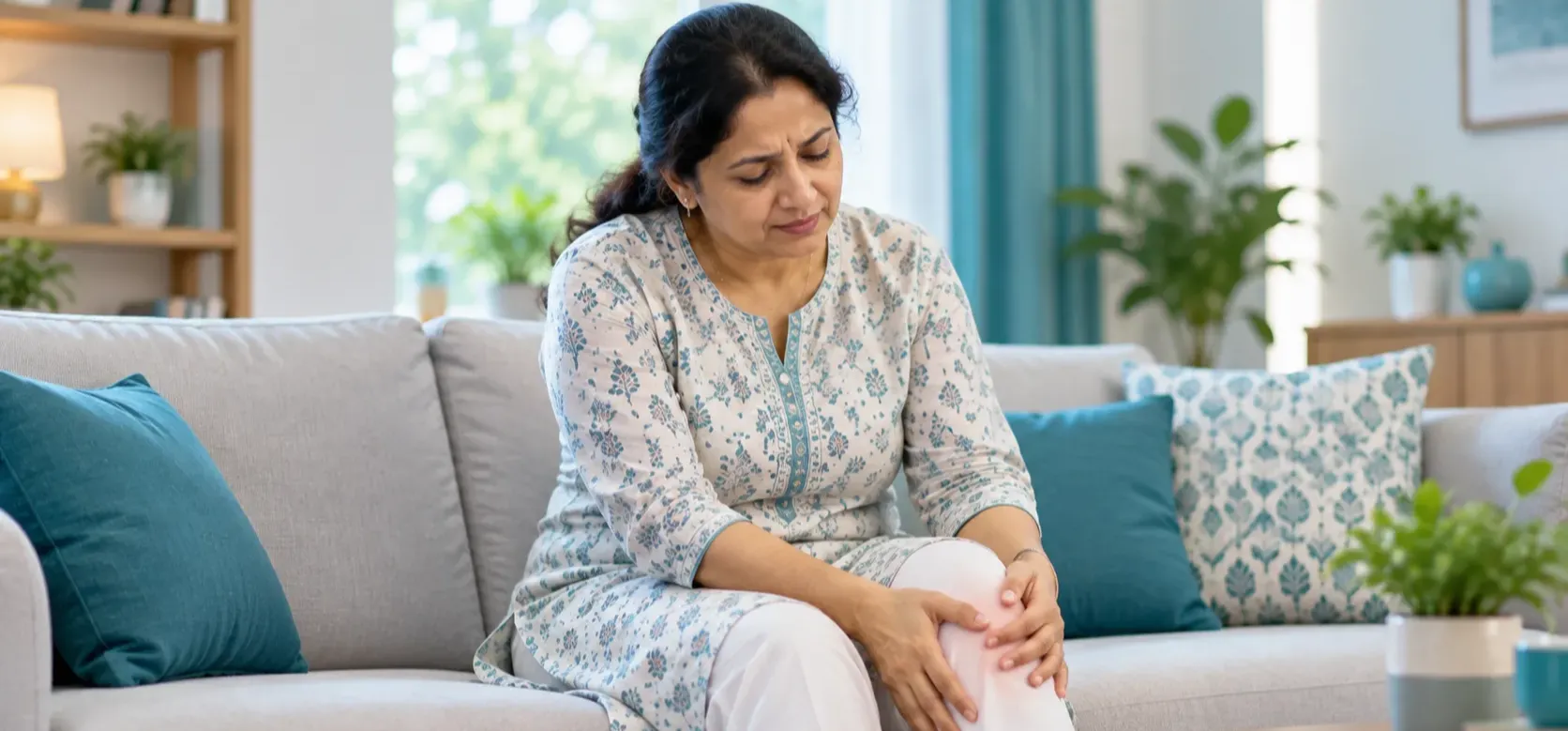
Quick answer: Knee pain is usually caused by a mix of factors, most often overuse, osteoarthritis, ligament or meniscus injury, excess body weight and age-related wear. In women, differences in hip and pelvic structure, hormonal changes and higher rates of some injuries and arthritis can also play a part, though not every woman’s knee pain is hormone-related. Seek prompt medical care for sudden severe pain after an injury, visible swelling or deformity, a knee that locks or gives way, redness and warmth around the joint, or pain that lasts more than a few days despite rest.
Knee pain is one of the most common reasons people visit an orthopedic doctor, and for good reason. The knee is a complex joint that carries your body weight through nearly every movement you make, from walking and climbing stairs to simply standing up from a chair. When patients ask us what causes knee joint pain, the honest answer is that there is rarely just one reason. It is usually a combination of factors, and understanding the common causes can help you work out when home care is enough and when it is time to see a specialist.
| Cause |
What it often feels like |
Who is commonly affected |
| Overuse and repetitive strain |
Gradual ache that worsens with activity and eases with rest |
People with physically demanding jobs, long hours of standing or sudden increases in exercise |
| Osteoarthritis |
Stiffness and swelling, worse in the morning or after rest |
Older adults, and those with earlier knee injury |
| Ligament and meniscus injury |
Sudden pain, swelling, a feeling of instability or the knee “giving way” |
Sports players and anyone who twists or lands awkwardly |
| Excess body weight |
Pain that builds with walking, stairs and standing |
Anyone, often together with age-related wear |
| Age-related wear and tear |
Gradual stiffness and discomfort |
Older adults |
One of the most frequent causes we see is simple overuse. Repetitive movements, whether from a physically demanding job, long hours of standing or a sudden increase in exercise, can irritate the tendons and soft tissue around the knee. This type of pain often builds up gradually and tends to worsen with continued activity and ease somewhat with rest.
Arthritis is a leading cause of chronic knee pain, particularly as people get older. It generally develops when the cartilage that cushions the knee joint gradually wears down, leading to stiffness, swelling and discomfort that is often worse in the morning or after periods of inactivity. Our joint disorders and arthritis care page goes into more detail on how arthritis is typically diagnosed and managed.
Sudden twisting movements, awkward landings or direct impact to the knee, common in sports or even a simple misstep, can injure the ligaments that stabilize the joint or the meniscus, the cushioning cartilage between the thigh and shin bones. These injuries often cause sudden pain, swelling and sometimes a feeling of instability or the knee “giving way.” Our sports injuries and soft tissue disorders page covers this category of injury in more depth.
Carrying excess body weight places significant additional load on the knee joints with every step. Over time, this added strain can accelerate wear and tear on the cartilage and contribute meaningfully to why knee pain occurs, especially in combination with other factors like age or prior injury. Even modest weight management can meaningfully reduce the load on the knees.
As we age, the cartilage, tendons and ligaments around the knee naturally lose some of their resilience. This gradual wear is a major contributor to knee pain in older adults, and it often overlaps with early arthritis, making the two difficult to separate without a proper examination.
When people search specifically for what causes knee pain in females, there is a genuine clinical basis for the question.
- Hormonal factors. Fluctuations related to the menstrual cycle and the changes that occur around menopause can influence joint tissue and ligament flexibility, which may affect how the knee absorbs impact and stress over time. Research in this area is still evolving.
- Body structure. Differences in hip and pelvic structure between men and women can change the angle at which forces travel through the knee joint, which some research links to a higher likelihood of certain injuries and wear patterns in women.
- Patterns of injury and arthritis. Women athletes are more prone to certain ligament injuries, and knee osteoarthritis is more common in women, particularly after menopause.
This does not mean every female patient’s knee pain is hormone-related. It simply means that sex-specific factors are worth mentioning to your orthopedic doctor during an evaluation, since they can be a relevant piece of the overall picture. For men, the leading causes are much the same, with overuse, sports injuries and arthritis most common.
Not all knee pain requires an immediate hospital visit, but some signs should not be ignored.
| Usually safe to manage at home for a short period |
Seek prompt medical attention |
| Mild soreness after unusually strenuous activity |
Sudden, severe pain following an injury |
| Minor stiffness that improves within a day or two |
Visible swelling or deformity around the knee |
| Pain that eases with rest |
Inability to bear weight on the leg |
|
A knee that locks, buckles or gives way |
|
Redness and warmth around the joint, which can suggest infection or significant inflammation |
|
Pain that persists for more than a few days despite rest |
Home care for a short period can include rest, ice, gentle movement and avoiding aggravating activity. In the situations listed on the right, a proper examination is important, since your orthopedic doctor assesses whether the issue involves soft tissue, ligament, bone or joint structures and guides you toward the right next step, and does not leave it to guesswork. The NHS knee pain guide (linked below) gives similar advice on when to seek help.
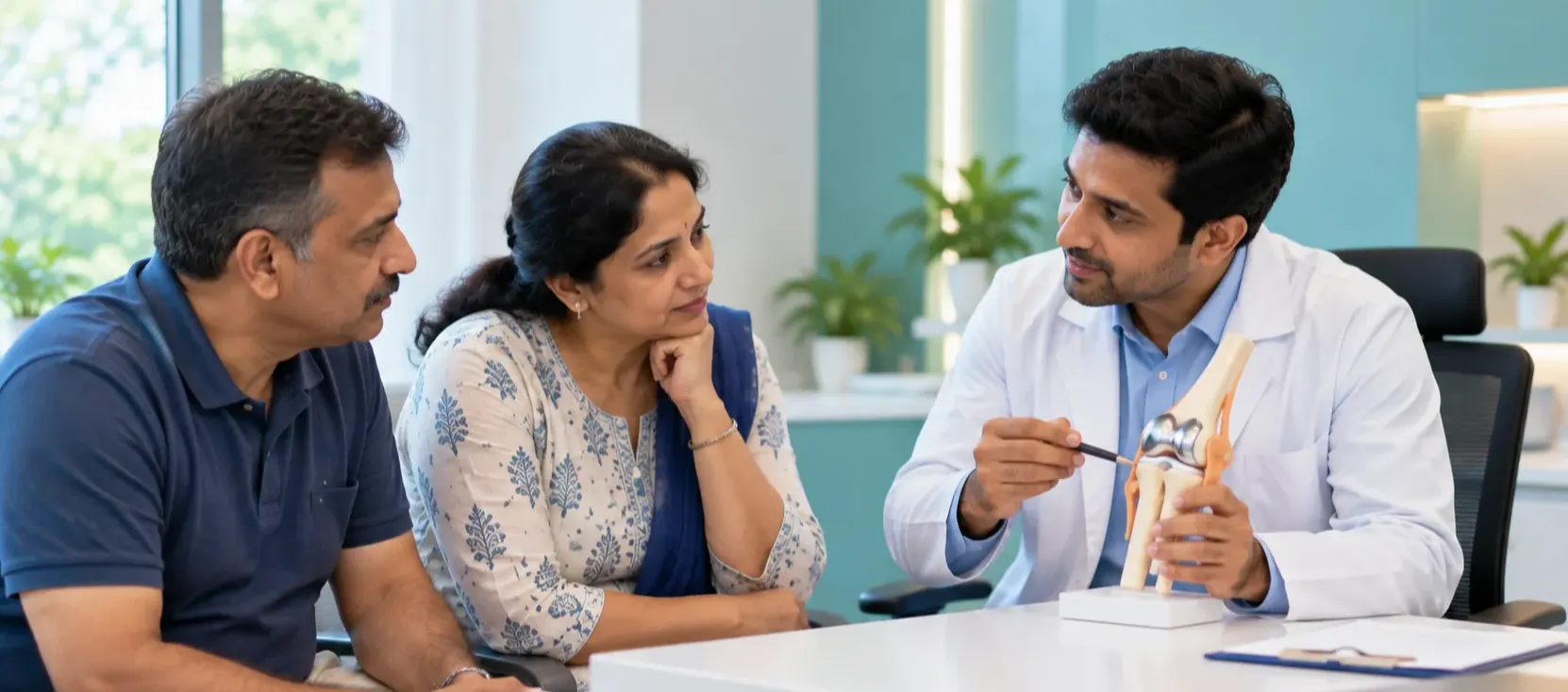
Your doctor will ask how the pain started, examine the knee and, if needed, arrange an X-ray or MRI. Treatment depends on the cause and usually begins with the simplest measures.
| Step |
What it may involve |
| Self-care and activity changes |
Rest, ice, gentle movement, footwear and activity modification |
| Physiotherapy and exercise |
Strengthening and flexibility work for the muscles around the knee |
| Weight management |
Reducing the load on the joints |
| Medication |
Pain relief or anti-inflammatory medicines as advised by your doctor |
| Procedures |
Injections or keyhole (arthroscopic) treatment for selected injuries |
| Surgery |
Repair of injured structures, or joint replacement for severe arthritis that has not responded to other treatment |
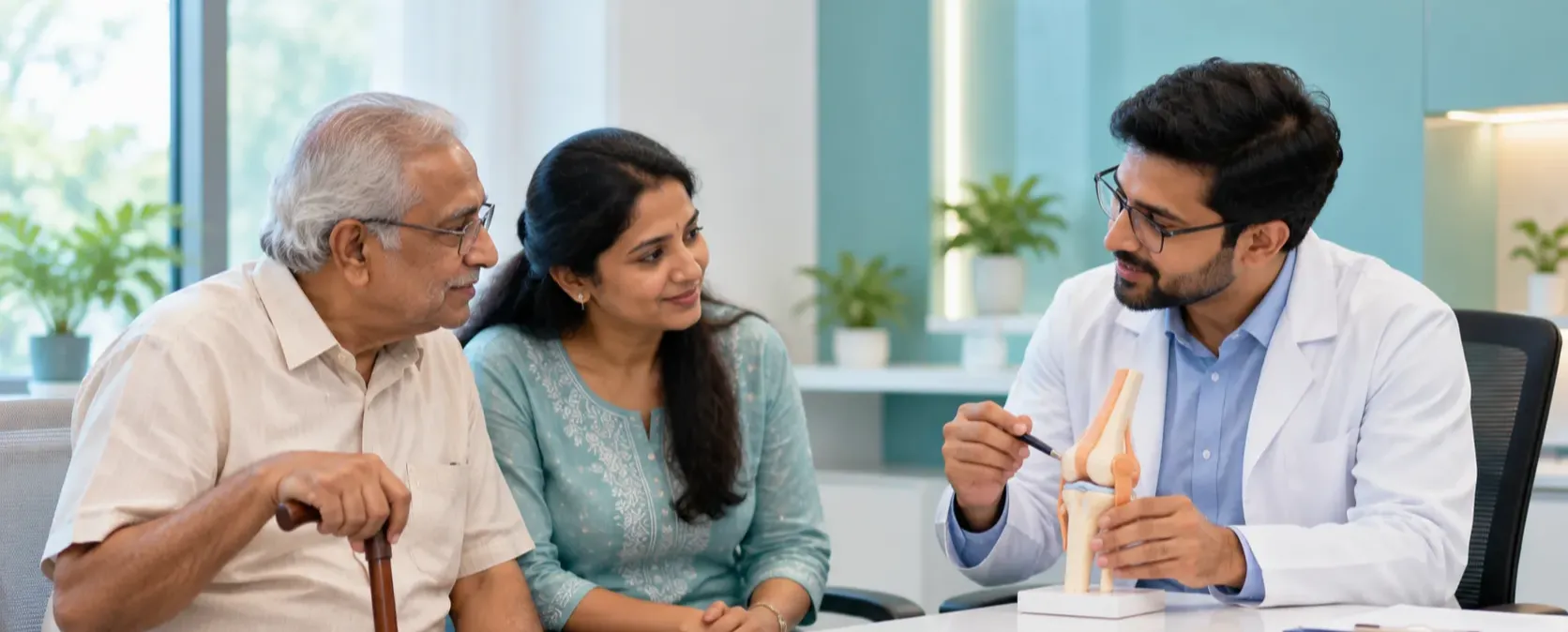
If conservative treatment is not enough and the joint is severely damaged, knee replacement may be considered. Our guide to knee replacement cost in Bangalore explains the types of surgery and what influences the price.
- Build up exercise gradually and warm up before sports
- Strengthen the thigh and hip muscles with guided exercises
- Keep a healthy body weight
- Wear supportive footwear suited to your activity
- Avoid staying in one position for very long periods
- Do not ignore pain that keeps returning
What causes knee pain in females?
The common causes are the same as in men: overuse, arthritis, ligament or meniscus injury, excess weight and age-related wear. In women, hormonal changes, differences in hip and pelvic structure and higher rates of some ligament injuries and osteoarthritis can also contribute. A proper evaluation is the only way to find the cause in your case.
Is knee pain in females always related to hormones?
No. While hormonal changes and anatomical differences can play a role in why knee pain occurs more in some women, common causes like overuse, arthritis, injury and weight remain just as relevant. A proper evaluation is the only way to identify the actual cause in your case.
Can knee pain go away on its own?
Mild, activity-related knee pain often improves with rest and simple home care. However, pain that persists, worsens, or comes with swelling, instability or difficulty bearing weight usually needs a professional assessment and should not be left to settle by itself.
What causes knee joint pain at night?
Night pain can come from arthritis, inflammation, or pressure on an irritated joint while lying down. Occasional discomfort after a busy day is common, but knee pain that regularly disturbs your sleep, or comes with swelling, warmth or fever, should be checked by a doctor.
When should I see a doctor for knee pain?
See a doctor promptly for sudden severe pain after an injury, visible swelling or deformity, inability to bear weight, a knee that locks or gives way, redness and warmth around the joint, or pain lasting more than a few days despite rest.
When should I consider knee replacement for my knee pain?
Knee replacement is generally only considered after conservative treatments for arthritis or joint damage have been tried without enough relief. Symptoms such as pain that disturbs sleep, severe stiffness and a clear reduction in how far you can walk are the usual reasons the option is discussed.
Which doctor should I see for knee pain?
An orthopedic doctor is the right specialist for most knee pain, especially after injury or when pain affects walking. At Genesiss Hospital, Dr. Nagesha H A, a Consultant Orthopaedic Surgeon with a fellowship in arthroplasty, leads the orthopedics team in BTM Layout.
If knee pain is affecting your daily routine, whether it started suddenly or has been building for a while, it is worth getting a clear answer rather than guessing at the cause. Book a consultation with the orthopedic team at Genesiss Hospital, BTM Layout, and get a proper evaluation, an honest explanation and a treatment plan suited to your specific knee.
This article is for general information and does not replace a medical consultation.