Male infertility often does not show clear symptoms, which is why many men ignore early warning signs. In many cases, couples realise the issue only when pregnancy is delayed despite regular attempts. However, the body may give subtle signals like low sperm count, hormonal imbalance, or changes in sexual health.
In India, awareness about male fertility is still limited, and symptoms are often overlooked. Mild discomfort, reduced stamina, or changes in semen are usually ignored. This blog explains the most commonly missed signs of male infertility, what they could indicate, and when you should consider a fertility test.
Male infertility signs are often mild but can include:
- Low sperm count: One of the most common causes, usually detected through testing
- Reduced sexual desire: May indicate low testosterone levels
- Difficulty in erection or ejaculation: Affects natural conception
- Pain or swelling in testicles: Could be due to infection or varicocele
These symptoms may appear gradually and are often ignored in the early stages.
Many symptoms are subtle and dismissed as normal:
- Low energy or constant tiredness: Can be linked to hormonal imbalance
- Decrease in facial or body hair: May indicate testosterone issues
- Changes in semen volume or thickness: Affects sperm health
- Mild discomfort in testicles: Often ignored but needs evaluation
- Frequent infections: Can impact reproductive function
Some men may not experience any noticeable symptoms until they undergo a fertility test.
You may need a male infertility test if you notice:
- Trying for pregnancy for more than 6–12 months
- Low sperm symptoms or reduced semen output
- Sexual health changes like low libido or performance issues
- History of infection, injury, or surgery
-
Occasional fatigue → Normal
-
Constant low energy → Needs evaluation
-
Normal sexual desire → Healthy
-
Sudden drop in libido → Possible hormonal issue
-
Normal semen volume → Healthy
-
Very low semen quantity → Possible fertility concern
Male infertility can be caused by:
- Hormonal imbalance: Low testosterone affecting sperm production
- Varicocele: Enlarged veins in the testicles
- Infections: Affect sperm quality and movement
- Lifestyle factors: Smoking, alcohol, obesity, stress
- Heat exposure: Tight clothing or prolonged laptop use
- Medical conditions or treatments: Surgeries, medications
A sperm test for men is recommended if:
- Pregnancy is not achieved after 6–12 months
- There are symptoms of low sperm count
- There is a history of reproductive health issues
- You want early clarity before planning pregnancy
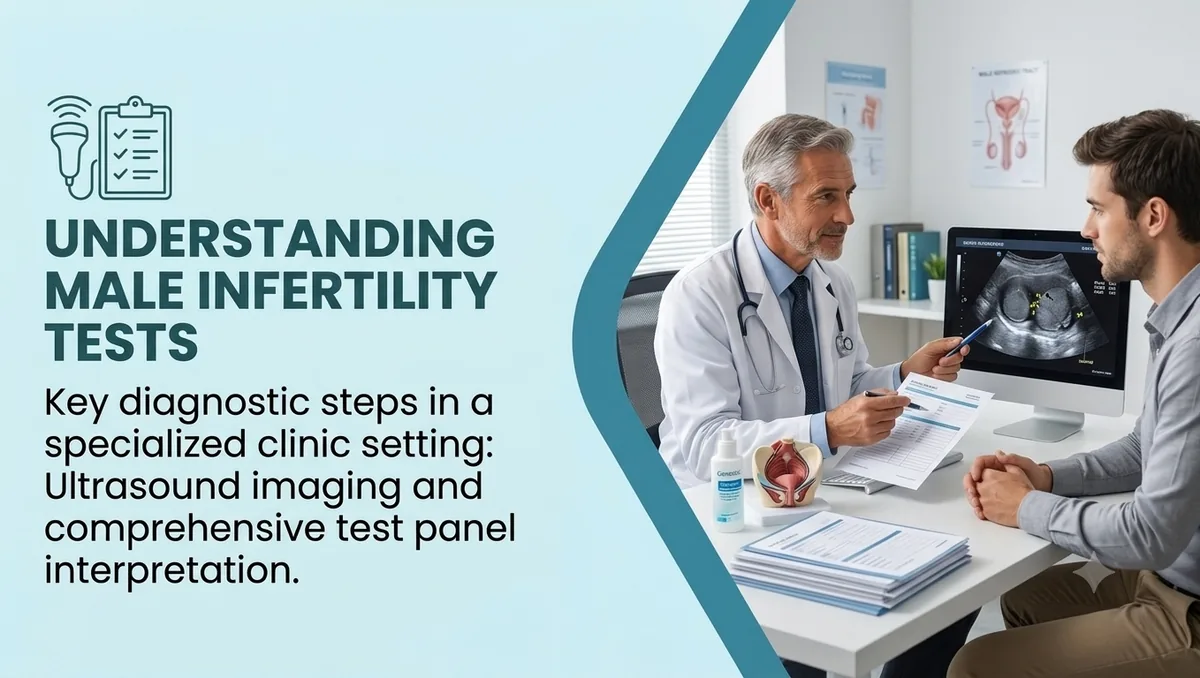
Doctors usually recommend:
- Semen analysis: Measures sperm count, movement, and structure
- Hormone testing: Checks testosterone levels
- Ultrasound scan: Identifies structural problems
- Physical examination: Basic reproductive health check
You should consult a specialist if:
- Persistent pain, swelling, or heaviness in testicles
- Difficulty in conceiving
- Low sexual desire or performance issues
- Noticeable changes in semen
If you are considering a male fertility test in Bangalore, especially around BTM, Jayadeva, or South Bangalore, early consultation can help identify treatable causes and improve fertility outcomes.
Yes, many cases can be treated depending on the cause:
- Medications: For hormonal imbalance or infections
- Surgery: For varicocele or blockages
- Lifestyle changes: Improving diet, reducing stress, quitting smoking
- Advanced treatments: IVF or IUI when required
Early diagnosis improves success rates.
What are the first signs of male infertility?
Early signs may include low sperm count, reduced libido, and mild discomfort in the testicles. Many men may not notice symptoms initially.
Can a man be infertile without symptoms?
Yes. Male infertility is often silent and may only be detected through a semen analysis test.
When should I get a sperm test done?
If pregnancy does not occur after 6–12 months of trying, a sperm test is recommended.
Does stress affect male fertility?
Yes. Stress can affect hormone levels and reduce sperm quality over time.
Is male infertility treatable?
Many causes are treatable with proper medical care, lifestyle changes, or minor procedures.
Male infertility is often ignored because symptoms are subtle or absent. Recognising early signs like low energy, reduced libido, or changes in semen can help in early diagnosis.
Timely medical consultation and proper evaluation can improve fertility outcomes. If symptoms persist, undergoing a basic fertility test can provide clarity and guide the next steps.