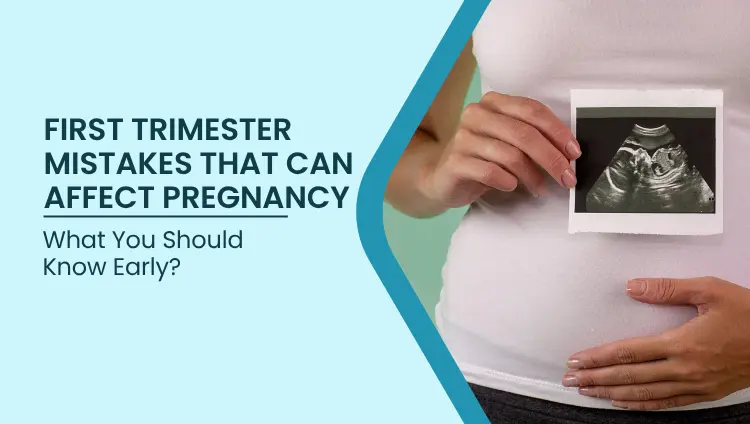
The first trimester is one of the most sensitive phases of pregnancy, where small mistakes can sometimes impact both maternal health and fetal development. Many women may not even realize they are pregnant during the early weeks, which increases the risk of unintentional habits affecting pregnancy.
It is natural to feel uncertain during this time. Questions about diet, activity, medications, and lifestyle are common. This guide explains the most common first trimester mistakes, why they matter, and how to avoid them so you can support a healthy pregnancy from the very beginning.
Several everyday habits can unintentionally affect early pregnancy.
- Skipping prenatal vitamins: Especially folic acid, which is essential for fetal development
- Ignoring early symptoms: Fatigue, nausea, or spotting may need attention
- Unplanned medication use: Some medicines may not be safe during pregnancy
- Poor hydration: Can worsen fatigue and complications
- Irregular meals: Nutritional gaps affect both mother and baby
Many of these mistakes happen simply due to lack of awareness.
The first trimester is when the baby’s major organs begin to develop.
- Brain and spinal cord formation begins early
- Placenta development supports nutrient supply
- Hormonal changes stabilize pregnancy
Even minor disruptions during this stage can sometimes affect development, which is why early care is important.
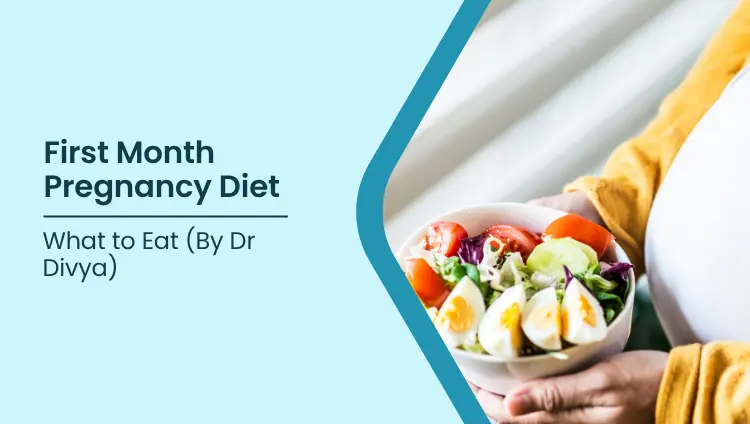
Yes. Nutrition plays a key role during the first trimester.
- Low folic acid intake: Increases risk of neural tube defects
- High caffeine consumption: May affect pregnancy stability
- Unpasteurized foods: Risk of infections
- Junk food dominance: Leads to nutrient deficiency
Balanced nutrition helps support fetal growth and maternal health.
Not all medications are safe during early pregnancy.
- Over-the-counter drugs: Some may interfere with development
- Painkillers or antibiotics: Should only be taken if prescribed
- Herbal supplements: Not always safe despite being “natural”
Every pregnancy is different, and medication safety should always be discussed with a doctor.
Yes. Lifestyle factors can influence pregnancy outcomes.
- High stress levels: May affect hormonal balance
- Lack of sleep: Impacts overall health
- Smoking or alcohol: Strongly linked to complications
- Excessive physical strain: Can increase risk in some cases
Managing lifestyle early helps reduce avoidable risks.
Certain activities may need caution.
- Heavy lifting or strenuous exercise
- Exposure to harmful chemicals or radiation
- Frequent travel without rest
- Hot tubs or excessive heat exposure
Moderation and awareness are key rather than complete restriction.
Yes. Some symptoms should not be overlooked.
- Severe abdominal pain
- Heavy bleeding
- Persistent vomiting (hyperemesis)
- Fever or infections
Early evaluation helps prevent complications and ensures proper care.
Early medical consultation plays a crucial role.
- Confirms pregnancy health
- Detects early complications
- Guides nutrition and lifestyle
- Plans further scans and tests
Regular follow-ups help track progress and reduce risks.
Prenatal care should ideally begin as soon as pregnancy is confirmed.
You should seek medical advice if you experience:
- Bleeding or spotting
- Severe nausea or dehydration
- Persistent pain or discomfort
- Sudden weakness or dizziness
If you are consulting a hospital in Bangalore, especially around BTM Layout or South Bangalore, early prenatal guidance ensures timely care and better outcomes.
In many cases, yes.
- Nutritional deficiencies can be improved
- Lifestyle habits can be corrected
- Medical issues can be managed early
However, prevention is always more effective than correction.
Simple steps can make a significant difference.
- Take prenatal vitamins regularly
- Maintain a balanced diet
- Stay hydrated
- Avoid self-medication
- Get adequate rest
- Attend regular checkups
Small consistent actions support a healthy pregnancy journey.
What should I avoid eating in the first trimester?
Avoid unpasteurized dairy, raw or undercooked foods, and excessive caffeine. Focus on balanced nutrition with essential vitamins.
Is it normal to feel very tired in early pregnancy?
Yes. Fatigue is common due to hormonal changes and increased energy demands of the body.
Can I exercise during the first trimester?
Light to moderate exercise is usually safe, but high-intensity or risky activities should be avoided unless advised otherwise.
When should I take folic acid?
Folic acid should ideally be started before conception and continued during early pregnancy.
Is mild spotting normal?
Mild spotting can occur, but persistent or heavy bleeding should always be evaluated by a doctor.
Can stress harm early pregnancy?
Excessive stress may affect hormonal balance. Managing stress is beneficial for overall pregnancy health.
The first trimester sets the foundation for the entire pregnancy. Being aware of common mistakes and making small adjustments can significantly improve outcomes.
Early care, proper guidance, and attention to your body’s signals help ensure a smoother and healthier pregnancy journey. If you have concerns, consulting a specialist can provide reassurance and clarity at the right time.