Yes, a man who appears completely healthy can still have fertility problems. Male fertility is not always visible through physical health, fitness, or lifestyle alone. Many underlying factors—such as sperm quality, hormonal balance, or unnoticed medical conditions—can affect fertility without obvious symptoms.
For many men, this can be confusing and even frustrating. You may feel healthy, active, and well, yet face difficulty when trying to conceive. This article explains why that happens, what signs to watch for, and how fertility is evaluated so you can make informed decisions.
Yes, a man can be physically fit and still experience infertility. General health does not always reflect reproductive health.
- Normal appearance: Fertility issues are not always visible externally
- No symptoms: Many men have no warning signs
- Hidden factors: Hormones, sperm quality, or genetics may be affected
Male fertility depends on sperm production, function, and delivery. Even small disruptions in these processes can impact the ability to conceive.
Several underlying factors can affect fertility without affecting overall health.
- Low sperm count: Fewer sperm reduce chances of fertilization
- Poor sperm motility: Sperm may not move effectively toward the egg
- Abnormal sperm shape: Structural issues can prevent fertilization
- Hormonal imbalance: Testosterone and reproductive hormones may be disrupted
- Genetic conditions: Some men inherit factors affecting fertility
In many cases, these conditions do not affect daily life but only become noticeable when trying to conceive.
Yes. A person may feel healthy but still have lifestyle-related fertility risks.
- Stress: Chronic stress can affect hormone levels
- Sleep issues: Poor sleep disrupts testosterone production
- Heat exposure: Frequent hot baths, saunas, or tight clothing
- Smoking or alcohol: Even moderate use can affect sperm quality
- Environmental toxins: Exposure to chemicals or pollution
These factors often go unnoticed but can significantly impact reproductive health over time.
In many cases, there are no obvious symptoms. However, some subtle signs may indicate underlying issues.
- Difficulty conceiving after 6–12 months
- Low libido or sexual dysfunction
- Pain, swelling, or lumps in the testicular area
- Hormonal symptoms like reduced body hair
Symptoms and experiences vary from person to person.
Most men only discover fertility issues during evaluation rather than through symptoms.
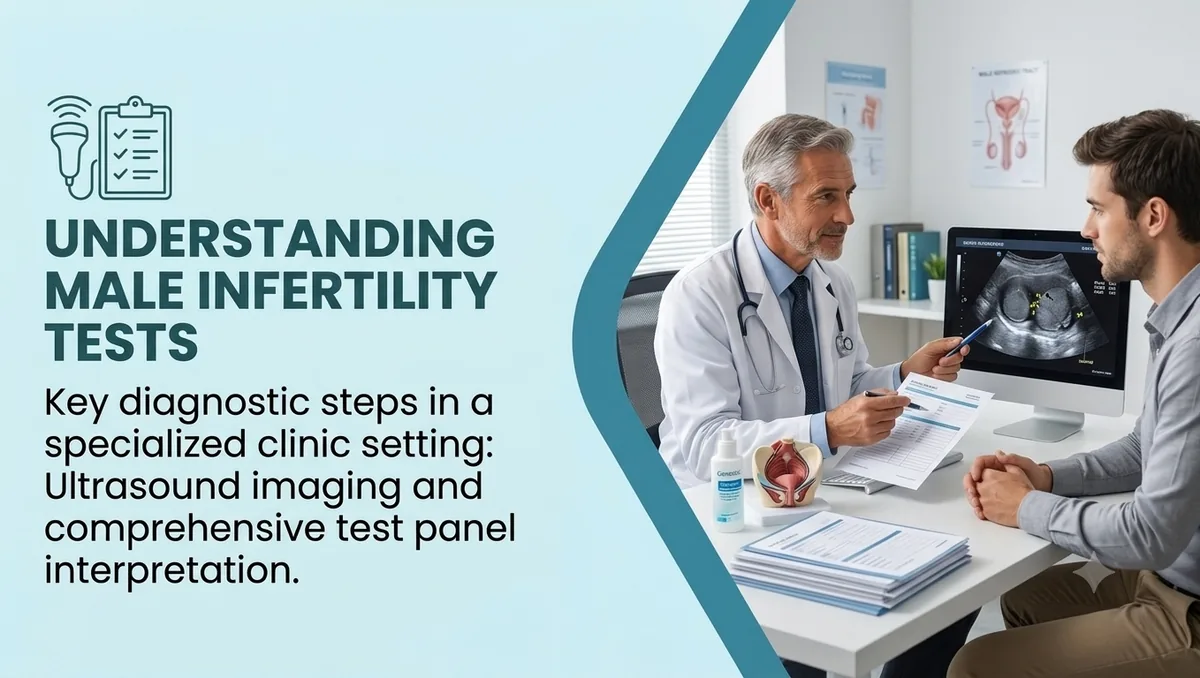
Male fertility is evaluated through a combination of tests.
- Semen analysis: Measures sperm count, motility, and shape
- Hormone testing: Checks testosterone and other hormone levels
- Ultrasound: Detects structural issues like varicocele
- Genetic testing: Identifies inherited conditions if suspected
Semen analysis is usually the first and most important step in assessment.
Yes. Sperm quality can be affected independently of overall health.
- DNA fragmentation: Damage in sperm DNA
- Oxidative stress: Caused by free radicals
- Infections: Past infections may affect sperm function
- Varicocele: Enlarged veins affecting sperm production
This is why fertility testing is essential even if there are no visible health issues.
Timing is important for early diagnosis and treatment.
- Trying to conceive for 12 months without success
- Trying for 6 months if partner is above 35 years
- Known medical conditions affecting reproductive health
- History of surgery or infections
You should consider medical evaluation if you notice:
- Persistent difficulty in conceiving
- Pain or swelling in the testicular area
- Changes in sexual function
- Previous reproductive health issues
If you are consulting a hospital in Bangalore, especially around Jayadeva or BTM, early evaluation helps identify correctable causes without delay.
Yes, many cases are treatable once identified.
- Medications: To correct hormonal imbalances
- Lifestyle changes: Diet, exercise, stress management
- Surgical treatment: For conditions like varicocele
- Assisted reproductive techniques: IVF, IUI when required
Early diagnosis significantly improves outcomes.
Even without diagnosed issues, certain steps can support fertility.
- Maintain healthy weight
- Eat antioxidant-rich foods
- Avoid excessive heat exposure
- Reduce alcohol and smoking
- Manage stress effectively
These steps help improve sperm health and overall reproductive function.
Not always. Many cases are temporary or reversible.
- Some conditions respond well to treatment
- Lifestyle changes can improve sperm quality
- Early intervention leads to better outcomes
However, untreated conditions may worsen over time, making timely evaluation important.
Can a healthy man have low sperm count?
Yes. Sperm count can be low due to hormonal issues, genetics, or lifestyle factors even if a man feels completely healthy.
Does gym or fitness guarantee good fertility?
No. Physical fitness does not always reflect sperm health. Fertility depends on internal reproductive factors.
How long should we try before testing fertility?
If conception does not occur within 12 months, or 6 months in certain cases, fertility evaluation is recommended.
Can stress alone cause infertility?
Stress can affect hormones and indirectly impact fertility, but it is usually one of multiple contributing factors.
Is fertility testing painful?
Most tests like semen analysis and blood tests are simple and non-invasive.
Can fertility improve over time?
Yes, especially with treatment, lifestyle changes, and early diagnosis.
Early awareness plays an important role in addressing fertility concerns. Even if you feel healthy, understanding reproductive health can prevent delays in diagnosis and treatment.
If you are planning a pregnancy and have concerns about fertility, consulting a specialist can provide clarity and the right direction. Taking timely steps often makes a significant difference in outcomes.